
Phone No
orthodrhimanshugupta@gmail.com
Location
Room No. 187, Max Hospital, W-3, Ashok Marg, near Radisson Blu Hotel, Sector-1, Vaishali, Ghaziabad, Uttar Pradesh 201010
Phone No
orthodrhimanshugupta@gmail.com
Location
Room No. 187, Max Hospital, W-3, Ashok Marg, near Radisson Blu Hotel, Sector-1, Vaishali, Ghaziabad, Uttar Pradesh 201010
Table of Contents
Toggle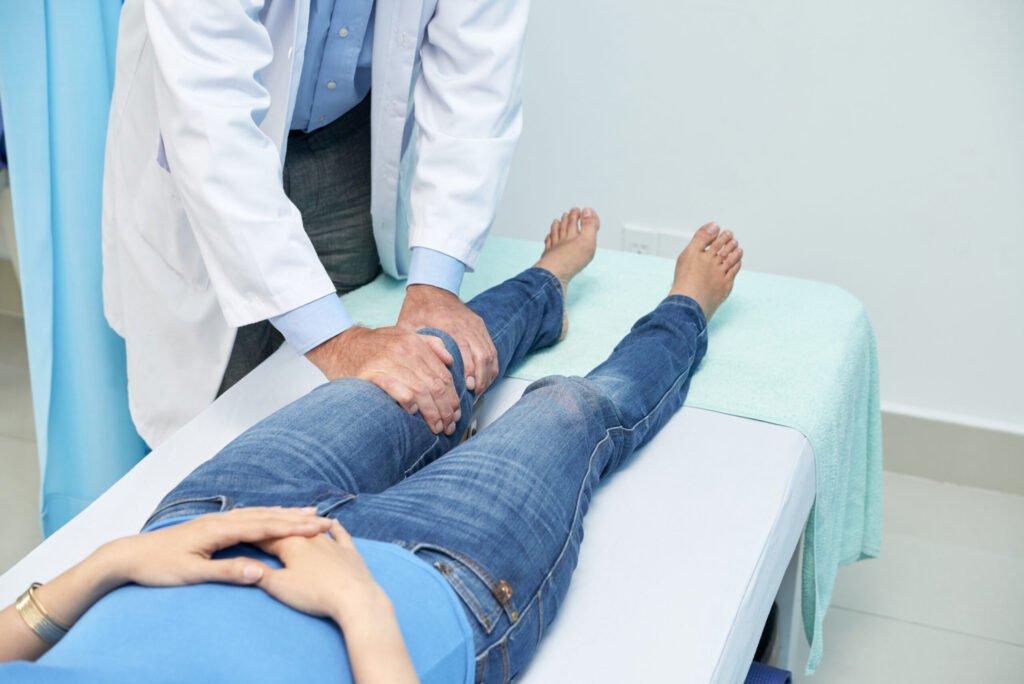
Types of ACL Surgery are important to understand if you have an ACL tear or constant knee instability. ACL surgery is one of the most common treatments for athletes, young adults, and active individuals. In this detailed guide, we’ll explore what ACL surgery is, types of ACL
reconstruction techniques, ACL surgery cost in India, recovery timeline, success rate, risks, benefits, and non-surgical alternatives.
This blog uses simple, informative language to help patients understand ACL tear treatment, ACL surgical treatment options, and what to expect before and after surgery.
ACL surgery, also known as ACL reconstruction surgery, is a procedure that replaces a torn anterior cruciate ligament with a new graft. This graft helps restore knee stability, prevent repeated injuries, and allow patients to return to sports and daily activities.
ACL tear surgery is typically recommended when:
● The ligament is completely torn
● Knee instability affects sports and daily activities
● Non-surgical ACL tear treatment fails
● A person wants to resume high-impact sports
ACL reconstruction is performed using various techniques depending on age, activity level, and injury severity.
There are several types of ACL surgery, each with unique benefits and suitability. Choosing the right ACL reconstruction technique depends on graft strength, recovery speed, long-term results, and patient needs.
Below are the most commonly recommended techniques for ACL surgical treatment.
1. Hamstring Tendon ACL Reconstruction
Hamstring tendon ACL reconstruction is one of the most common types of ACL surgery, preferred for its minimal pain and faster ACL surgery recovery time. This ACL reconstruction surgery uses the patient’s hamstring tendons, offering strong and flexible graft support.
Benefits include:
Smaller incision – Leads to less tissue damage and quicker healing.
Lower donor-site pain – Hamstring grafts cause less discomfort after ACL reconstruction surgery.
Strong, flexible graft – Provides excellent knee stability after ACL tear surgery.
Faster ACL surgery recovery time – Allows early physiotherapy and smoother movement.
Ideal for active adults – Popular among runners, gym-goers, and field athletes.
2. Patellar Tendon (BTB) ACL Reconstruction
Patellar Tendon ACL reconstruction (BPTB graft) is a widely used ACL surgical treatment, especially for athletes needing maximum stability. This ACL reconstruction surgery uses the central patellar tendon with bone plugs for strong fixation.
Advantages:
Very strong graft – Closely mimics natural ACL strength.
Best rotational stability – Ideal for pivot-heavy sports.
Lower graft stretch risk – Ensures long-term knee stability.
Recommended for intense sports – Common for football, wrestling, and basketball players.
3. Quadriceps Tendon ACL Reconstruction
Quadriceps tendon ACL reconstruction is ideal for large tears or revision ACL surgery. This type of ACL surgery uses a thick, durable quadriceps tendon graft for long-term knee stability.
Benefits:
Thick, durable graft – Offers superior support during ACL reconstruction surgery.
Less donor-site pain – Lower kneecap discomfort versus BTB grafts.
High long-term stability – Excellent for active lifestyles.
Preferred in revision ACL surgery – Often used when previous ACL tear surgery has failed.
4. Allograft ACL Reconstruction (Donor Tissue)
Allograft ACL reconstruction uses donor tissue instead of the patient’s own. This ACL tear surgery is beneficial for patients who want to avoid graft harvesting or have multiple ligament injuries.
Best for:
Multiple ligament injuries – Useful for combined ACL + MCL/PCL tears.
Avoiding graft harvest pain – No tendon removal means easier recovery.
Older patients – Suitable for low-demand individuals.
Note: Athletes usually prefer autografts for stronger long-term results.
5. Double-Bundle ACL Reconstruction
Double-bundle ACL reconstruction focuses on restoring both natural ACL bundles for superior stability. This advanced ACL reconstruction surgery offers more anatomical knee function.
Advantages:
Better rotational control – Reduces instability during pivoting.
Lower instability risk – Mimics natural ACL movement.
Ideal for professionals – Best for high-performance athletes.
Requires expertise – Needs advanced arthroscopic skills.
| Type of ACL Surgery | Minimum Cost (₹) | Average Cost (₹) | Maximum Cost (₹) |
|---|---|---|---|
| Hamstring ACL Reconstruction | 70,000 | 1,20,000 | 1,80,000 |
| Patellar Tendon ACL Reconstruction | 80,000 | 1,30,000 | 2,00,000 |
| Quadriceps Tendon ACL Reconstruction | 75,000 | 1,25,000 | 1,90,000 |
| Allograft ACL Surgery | 1,20,000 | 1,80,000 | 2,50,000 |
| Double-Bundle ACL Reconstruction | 1,30,000 | 2,00,000 | 3,00,000 |
ACL Surgery Costs vary based on hospital type, surgeon expertise, technique used, and implant quality.
ACL surgery is necessary when a torn ligament leads to constant instability and affects daily mobility. Understanding when to choose ACL reconstruction surgery helps prevent further joint damage, especially to the meniscus.
You may need ACL reconstruction surgery if:
● Knee instability affects normal walking: If your knee gives way during simple movements, it indicates significant ACL damage that requires surgical treatment.
● The knee gives way during sports or activities: Athletes with repeated instability episodes require ACL tear surgery to prevent additional injuries.
● MRI confirms an ACL tear: When MRI scans clearly show a partial or complete ACL tear, ACL reconstruction becomes the recommended treatment.
● Pain persists despite therapy: If pain continues even after physiotherapy and bracing, ACL surgical treatment may be needed.
● You want to return to high-impact sports: Sports like football, basketball, or running require a stable ACL, making surgery essential.
Early ACL reconstruction surgery is recommended to protect the meniscus and prevent early arthritis.
The ACL tear surgery procedure is performed arthroscopically, using small incisions and advanced instruments. Each step is crucial for restoring knee stability and ensuring long-term recovery.
1. Preoperative Evaluation
Includes MRI, X-rays, and ligament tests to confirm ACL injury and choose the best graft type for ACL reconstruction surgery.
2. Anesthesia
Regional (spinal) or general anesthesia ensures a painless ACL surgical treatment experience.
3. Graft Harvesting
Depending on the type of ACL surgery, grafts may be taken from the hamstring, patellar tendon, or quadriceps tendon.
4. Arthroscopic Surgery
Small incisions allow insertion of a camera and tools, making ACL reconstruction surgery minimally invasive.
5. Graft Placement
The new graft is positioned anatomically and secured using screws or buttons, restoring
ligament stability.
6. Closure
Incisions are closed with sutures, and sterile dressings are applied.
7. Post-Surgery Care
Ice therapy, pain medications, and physiotherapy start early to support ACL surgery recovery
ACL surgery recovery time varies depending on graft type, physiotherapy involvement, and patient discipline. Completing each rehab phase is essential for a strong and stable knee.
Typical ACL Surgery Recovery Timeline –
Week 1–2: Pain reduces, Swelling decreases, and patients begin light mobility exercises.
Week 3–6: Strength training begins, Quadriceps and hamstring strengthening help restore knee control.
Week 8–12: Normal walking without support. Most patients regain natural walking patterns during this phase.
Month 4–6: Strength + balance improvement, Advanced exercises improve stability and prevent future injuries.
Months 9–12: Return to sports after medical clearance. High-impact sports may begin after successful ligament healing.
Following a structured ACL surgery recovery plan ensures long-term knee stability and performance.
The ACL surgery success rate ranges from 92–98% when performed with modern arthroscopic techniques. Success depends on:
● Graft choice – Choosing the right graft improves long-term performance and provides strong stability.
● Surgical technique – Accurate tunnel placement during ACL reconstruction surgery leads to optimal outcomes.
● Quality of physiotherapy – Rehabilitation is essential for restoring full function.
● Patient commitment to rehab – Following the ACL surgery recovery timeline increases success.
Most people return to sports within 6–12 months.
Non-surgical alternatives to ACL surgery are effective for mild ACL injuries or partial ACL tears where knee stability is still maintained. These options aim to reduce pain, improve strength, and support daily movement without immediate ACL reconstruction surgery.
Common non-surgical treatments include:
1. Physiotherapy
Targeted physiotherapy helps strengthen surrounding muscles, improve balance, and support the knee after an ACL injury.
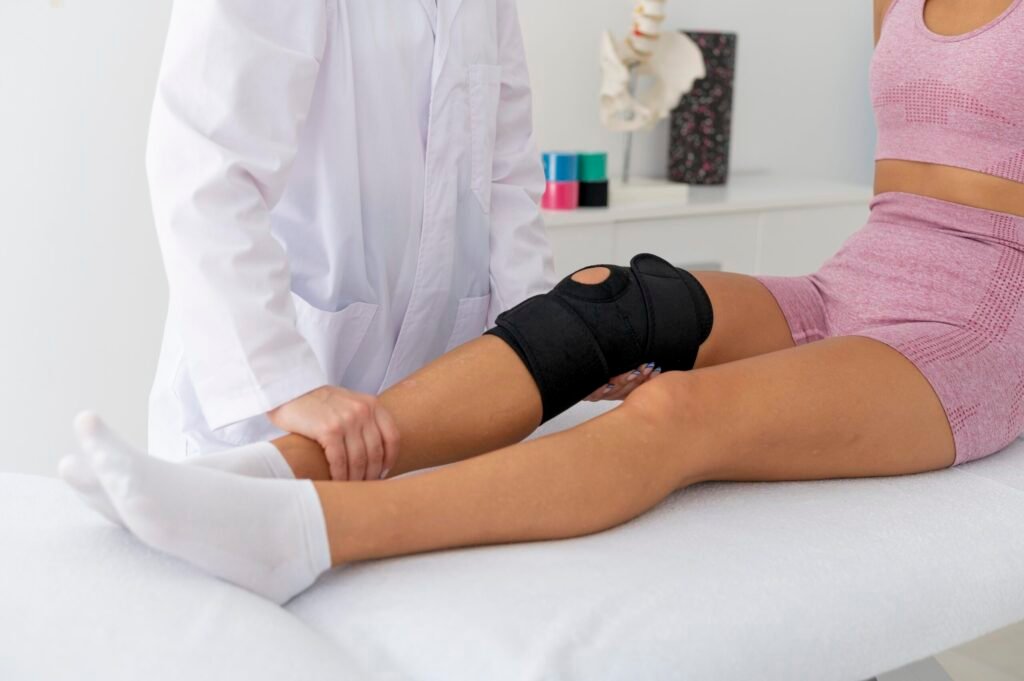
2. Knee braces
A functional knee brace provides stability and prevents the knee from “giving way,” especially during movement or sports.
3. Activity modification
Avoiding high-impact movements, twisting, or jumping reduces stress on the injured ACL and
supports natural healing.
4. Strengthening exercises
Quadriceps, hamstring, and glute exercises improve joint stability and help compensate for weakened ligaments.
5. Anti-inflammatory medications
NSAIDs help reduce swelling and pain during the early stages of ACL tear treatment.
However, completely torn ACLs usually require ACL reconstruction surgery, especially for athletes or active individuals needing long-term knee stability.
ACL surgery reconstructs a torn anterior cruciate ligament using a graft to restore knee stability
and function, helping prevent future ACL injuries.
ACL surgery costs range from ₹70,000–₹3,00,000, depending on the technique, graft type, hospital facilities, and surgeon expertise.
The ACL surgery recovery timeline is usually 6–12 months, based on physiotherapy consistency, graft healing, and overall knee strength.
Hamstring and patellar tendon grafts are commonly preferred types of ACL surgery, chosen according to sports activity level and long-term stability needs.
The ACL reconstruction surgery success rate ranges from 92–98% when supported by proper
rehabilitation, strengthening exercises, and follow-up care.
Understanding the Types of ACL Surgery helps patients make informed decisions about ACL tear treatment. By learning about costs, recovery timeline, risks, benefits, and advanced reconstruction techniques, you can choose the best ACL surgical treatment for long-term knee
health.
Whether you are an athlete or dealing with daily instability, modern ACL reconstruction offers excellent outcomes and high success rates.

EXCELLENTTrustindex verifies that the original source of the review is Google. Very satisfied with my treatment for knee pain. Its very painful for me to walk. But I am under treatment with dr. Himanshu Gupta and now I am perfectly fine. No pain, and now I can walk properly without any pain. Dr. Himanshu Gupta is very well trained doctor I've ever seenPosted on GoogleTrustindex verifies that the original source of the review is Google. I consulted Dr Himanshu Gupta for the Mother's knee pain and I am extremely grateful for the excellent care I received. Dr. Gupta was highly professional, knowledgeable, and made me feel at ease throughout the process. The hospital staff was attentive, ensuring a smooth and comfortable experience. It had a clean and friendly environment.Posted on GoogleTrustindex verifies that the original source of the review is Google. Dr. Gupta’s diagnosis has always been spot-on, and his approach to treatment was both thorough and reassuring. He took the time to patiently explain every step of the process, answering all our questions with clarity and empathy—something that made my mother feel confident and cared for throughout her recovery. Highly recommend Dr. Himanshu Gupta to anyone looking for an experienced and genuinely caring orthopedic specialist.Posted on GoogleTrustindex verifies that the original source of the review is Google. My mother operated here for her knee replacement. I totally recommend to visit here for ortho related problems. The results are amazing Best experience ever. Very satisfied with the robotic knee surgery. Staff is very professional and helpful. Dr. Himanshu Gupta is highly skilled in Robotic surgery. And so supportive during my mother's treatmentPosted on GoogleTrustindex verifies that the original source of the review is Google. Dr. Himanshu Gupta is an amazing orthopaedic. He treated my ACL problem with great care and expertise. His professionalism, explanation of treatment, and follow-up care were top-notch. Highly recommend for anyone needing orthopaedic care. My Surgery was also went smooth and successful Hospital's Pre & Post Care was very excellent. Staff was also so helpful during my stay.Posted on GoogleTrustindex verifies that the original source of the review is Google. I have expressed high satisfaction with Dr. Himanshu Gupta's friendliness, treatment, and explanation of health issues.Posted on GoogleTrustindex verifies that the original source of the review is Google. Dr. Himashu Gupta , Amicare Hospital, Indirapuram is the one of the best Doctor of Orthopaedic and also with loveble baheviour to every patient with care treatments, All the decoram of this Hospital have very fine and reasonable to treatment. All Staff of Hospital is too cooperative with good human behaviour.Posted on GoogleTrustindex verifies that the original source of the review is Google. Dr.Himanshu Gupta is very knowledgeable Doctor . My Knee surgery was successfully .Posted on GoogleTrustindex verifies that the original source of the review is Google. Good check up and doctor checkup is technique is perfectPosted on GoogleTrustindex verifies that the original source of the review is Google. Dr. Himanshu has deep knowledge of his subject. He is very caring and explains the diagnosis and treatment to the patient. My wife was under his treatment several times and got quick relief. Amicare hospital has good facilities and gives quick service under one roof.

Dr. Himanshu Gupta is a highly trusted and skilled orthopedic specialist, known for delivering expert care and personalized treatment.
orthodrhimanshugupta@gmail.com
Room No. 187, Max Hospital, W-3, Ashok Marg, near Radisson Blu Hotel, Sector-1, Vaishali, Ghaziabad, Uttar Pradesh 201010
Copyright 2026 © All Right Reserved
Fill the form and our team will get back to you shortly.