
Phone No
+91 9650510275
orthodrhimanshugupta@gmail.com
Location
Plot No. 15/16 Nyay Khand- 1, Ghaziabad.
+91 9650510275
orthodrhimanshugupta@gmail.com
Plot No. 15/16 Nyay Khand- 1, Ghaziabad.
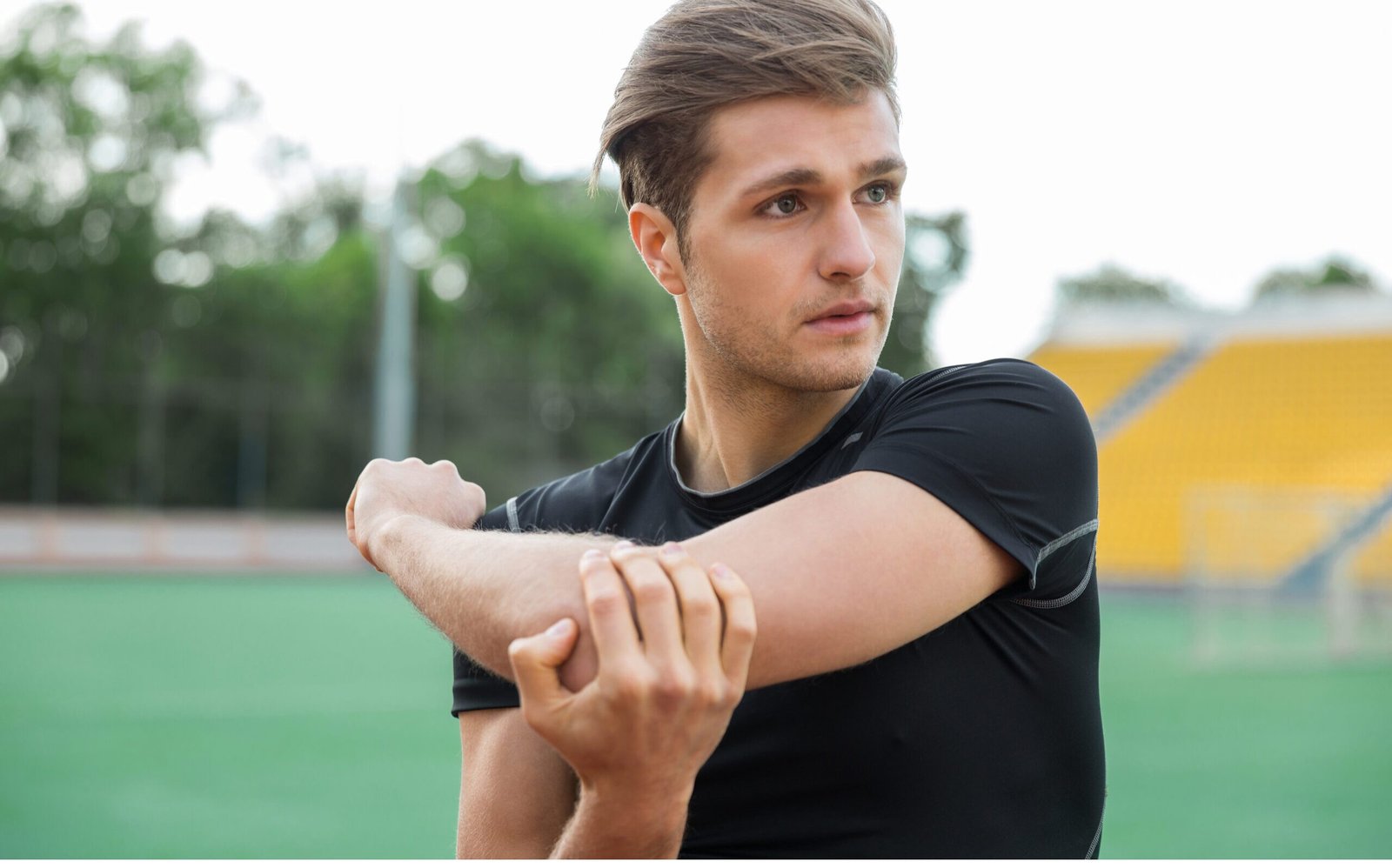
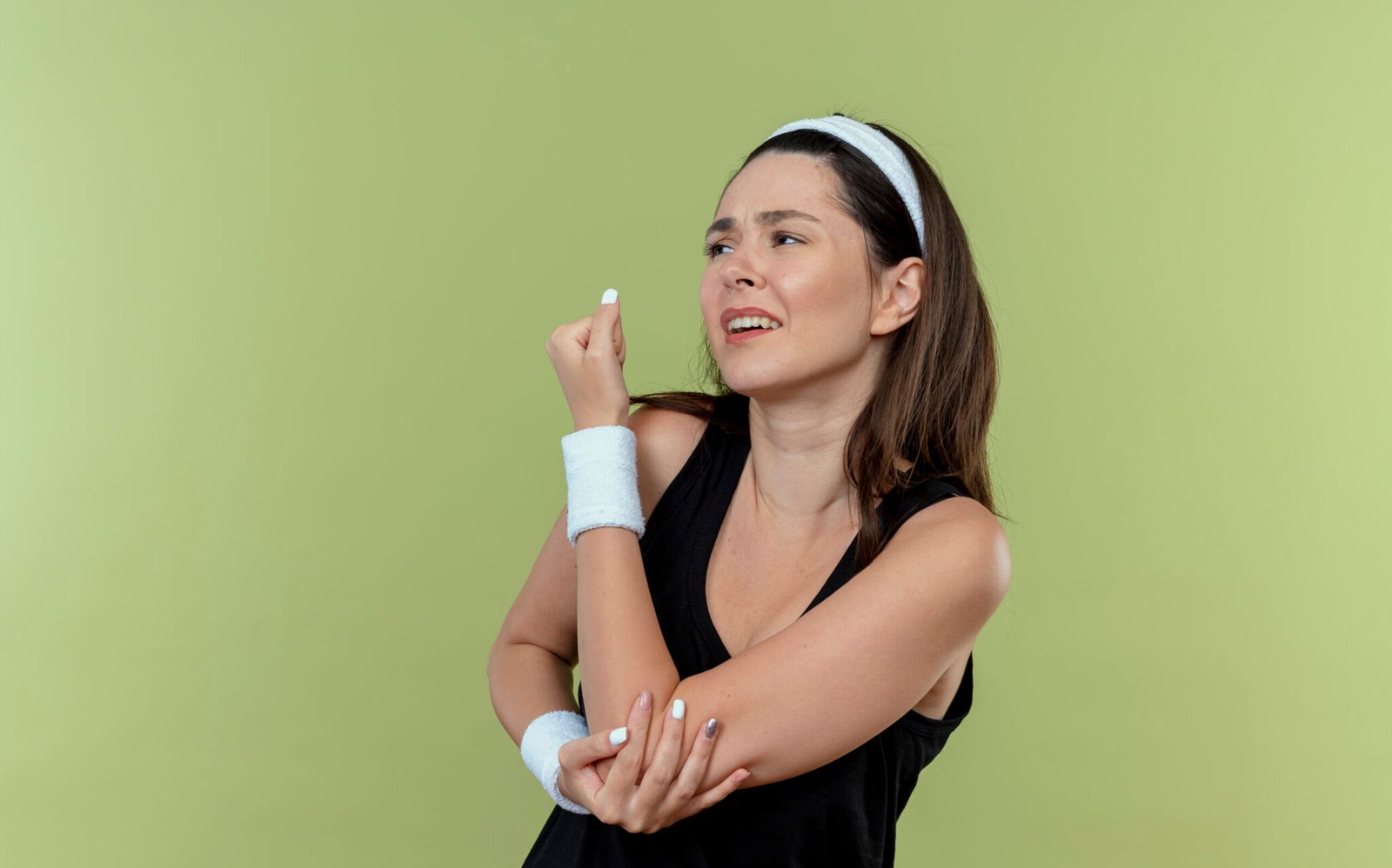
Tennis elbow, medically known as lateral epicondylitis, is a common condition that affects many people, not just athletes. Results in pain in the outer elbow, especially during movement. This condition can interfere with daily activities such as lifting, gripping, or even typing. One of the most effective ways to manage and recover from this condition is by using proper tennis elbow support, alongside medical treatment, physical therapy, and lifestyle modifications.
Tennis elbow occurs when the tendons on the outside of the elbow become inflamed or irritated, often due to repetitive motions, leading to pain, weakness, and difficulty performing daily activities. Understanding its causes, symptoms, and available tennis elbow treatment options is essential for effective recovery and long-term elbow health.
What is tennis elbow? It’s a condition caused by overuse of the forearm muscles and tendons that attach to the lateral epicondyle of the elbow. Repeated motions, especially gripping, lifting, or twisting, can strain these tendons, leading to inflammation, pain, and reduced function.
Despite its name, tennis elbow isn’t limited to tennis players. Anyone performing repetitive arm movements, such as painters, carpenters, and computer users, can develop this condition. Early recognition is essential to prevent chronic pain and long-term damage.
Recognizing tennis elbow pain early can make a significant difference in treatment outcomes. Common symptoms include:
A proper tennis elbow test conducted by a specialist can confirm the diagnosis. This typically involves evaluating pain levels during specific wrist and forearm movements.
The primary cause of tennis elbow is repetitive stress on the elbow’s tendons. Key risk factors include:
Understanding these causes is critical for both prevention and recovery.
One of the most effective tools for managing this condition is tennis elbow support. This includes braces, bands, and specialized elbow supports designed to reduce strain on the affected tendons.
Using the right tennis elbow support band or elbow brace can significantly enhance recovery outcomes, especially when combined with physical therapy.
Physical therapy for tennis elbow is a cornerstone of non-surgical treatment. A trained physiotherapist will guide you through exercises that promote tendon healing, improve strength, and restore range of motion.
Key components of physical therapy include:
It’s important to avoid tennis elbow exercises to avoid, such as heavy lifting or repetitive gripping early in the recovery phase, as these can worsen symptoms.
Tennis elbow braces are designed to offload stress from the affected tendon and provide compression to reduce pain. There are several types available:
Selecting the correct brace or band should be guided by a tennis elbow specialist, ensuring maximum comfort and effectiveness.
Support / Treatment | Purpose | Recommended Use |
Tennis Elbow Brace / Band | Reduces tendon strain and provides compression | Wear during activities that trigger pain; adjustable for comfort |
Counterforce Brace | Offloads stress on the tendon attachment | Worn just below the elbow during lifting or gripping tasks |
Physical Therapy | Strengthens forearm muscles, improves flexibility | Follow a guided exercise plan; avoid overloading the elbow early |
Ice Therapy | Reduces pain and inflammation | Apply 15–20 minutes, 2–3 times daily in acute stages |
Medications (NSAIDs) | Reduces pain and swelling | Use short-term under doctor guidance; combine with rest and support |
Preventive Measures | Reduces risk of recurrence | Maintain proper technique, gradually increase activity, and use support during high-risk tasks |
In addition to support and therapy, other tennis elbow treatment options include medically recommended approaches that focus on pain relief, inflammation control, and gradual tendon healing, as explained in Tennis Elbow Belt Uses Explained.
Most patients respond well to these conservative treatments, especially when combined with tennis elbow support.
In cases where symptoms persist despite non-surgical treatments, tennis elbow surgery may be considered. Surgical options include:
Surgery is usually a last resort and should be performed by an experienced tennis elbow specialist. Post-surgical rehabilitation with braces and physical therapy is crucial for successful outcomes.
Preventive strategies help reduce the risk of recurrence by minimizing repetitive strain on the elbow, improving muscle balance, and promoting safer movement patterns during daily and athletic activities. Key measures include:
Awareness and early intervention are essential for long-term joint health.
Consulting a tennis elbow specialist ensures accurate diagnosis and effective treatment planning. Specialists can:
Selecting an experienced professional improves recovery outcomes and reduces the risk of complications.
Recovery depends on the severity of the injury and adherence to treatment. With proper support, physical therapy, and lifestyle modifications:
Consistent use of tennis elbow support, combined with therapy, accelerates healing and prevents reinjury.
Yes, wearing a tennis elbow support helps reduce tendon strain, improves stability, relieves pain, and allow safer movement during daily activities and recovery.
The quickest relief comes from rest, activity modification, tennis elbow support, physical therapy, and anti-inflammatory care, combined with avoiding repetitive strain on the elbow.
Early treatment with rest, proper support, guided exercises, and timely medical advice helps speed recovery and prevents prolonged pain or chronic tendon damage.
You should see a doctor if elbow pain persists for several weeks, worsens with activity, or interferes with daily tasks despite rest and home care.
Yes, most cases heal without surgery through rest, tennis elbow support, physical therapy, and non-surgical treatments focused on tendon healing.
Tennis elbow support is a vital component in managing lateral epicondylitis effectively. Combining braces, bands, physical therapy, and medical treatment ensures reduced pain, faster recovery, and improved function. Early diagnosis, guided by a tennis elbow specialist, and avoidance of aggravating exercises are key to successful outcomes.
Whether you’re an athlete, a professional, or someone experiencing daily discomfort, adopting the right strategies, including tennis elbow support band and therapeutic exercises, can restore mobility and help you return to your active lifestyle confidently.
EXCELLENTTrustindex verifies that the original source of the review is Google. Very satisfied with my treatment for knee pain. Its very painful for me to walk. But I am under treatment with dr. Himanshu Gupta and now I am perfectly fine. No pain, and now I can walk properly without any pain. Dr. Himanshu Gupta is very well trained doctor I've ever seenPosted on GoogleTrustindex verifies that the original source of the review is Google. I consulted Dr Himanshu Gupta for the Mother's knee pain and I am extremely grateful for the excellent care I received. Dr. Gupta was highly professional, knowledgeable, and made me feel at ease throughout the process. The hospital staff was attentive, ensuring a smooth and comfortable experience. It had a clean and friendly environment.Posted on GoogleTrustindex verifies that the original source of the review is Google. Dr. Gupta’s diagnosis has always been spot-on, and his approach to treatment was both thorough and reassuring. He took the time to patiently explain every step of the process, answering all our questions with clarity and empathy—something that made my mother feel confident and cared for throughout her recovery. Highly recommend Dr. Himanshu Gupta to anyone looking for an experienced and genuinely caring orthopedic specialist.Posted on GoogleTrustindex verifies that the original source of the review is Google. My mother operated here for her knee replacement. I totally recommend to visit here for ortho related problems. The results are amazing Best experience ever. Very satisfied with the robotic knee surgery. Staff is very professional and helpful. Dr. Himanshu Gupta is highly skilled in Robotic surgery. And so supportive during my mother's treatmentPosted on GoogleTrustindex verifies that the original source of the review is Google. Dr. Himanshu Gupta is an amazing orthopaedic. He treated my ACL problem with great care and expertise. His professionalism, explanation of treatment, and follow-up care were top-notch. Highly recommend for anyone needing orthopaedic care. My Surgery was also went smooth and successful Hospital's Pre & Post Care was very excellent. Staff was also so helpful during my stay.Posted on GoogleTrustindex verifies that the original source of the review is Google. I have expressed high satisfaction with Dr. Himanshu Gupta's friendliness, treatment, and explanation of health issues.Posted on GoogleTrustindex verifies that the original source of the review is Google. Dr. Himashu Gupta , Amicare Hospital, Indirapuram is the one of the best Doctor of Orthopaedic and also with loveble baheviour to every patient with care treatments, All the decoram of this Hospital have very fine and reasonable to treatment. All Staff of Hospital is too cooperative with good human behaviour.Posted on GoogleTrustindex verifies that the original source of the review is Google. Dr.Himanshu Gupta is very knowledgeable Doctor . My Knee surgery was successfully .Posted on GoogleTrustindex verifies that the original source of the review is Google. Good check up and doctor checkup is technique is perfectPosted on GoogleTrustindex verifies that the original source of the review is Google. Dr. Himanshu has deep knowledge of his subject. He is very caring and explains the diagnosis and treatment to the patient. My wife was under his treatment several times and got quick relief. Amicare hospital has good facilities and gives quick service under one roof.

Dr. Himanshu Gupta is a highly trusted and skilled orthopedic specialist, known for delivering expert care and personalized treatment.
+91 9650510275
orthodrhimanshugupta@gmail.com
Plot No. 15/16 Nyay Khand- 1, Near Indirapuram Public School, Indirapuram Ghaziabad- 201014 India
Privacy Policy | Term and Conditions | Sitemap
Copyright 2025 © All Right Reserved Design
Copyright 2026 © All Right Reserved Design