
Phone No
+91 9650510275
orthodrhimanshugupta@gmail.com
Location
Plot No. 15/16 Nyay Khand- 1, Ghaziabad.
+91 9650510275
orthodrhimanshugupta@gmail.com
Plot No. 15/16 Nyay Khand- 1, Ghaziabad.
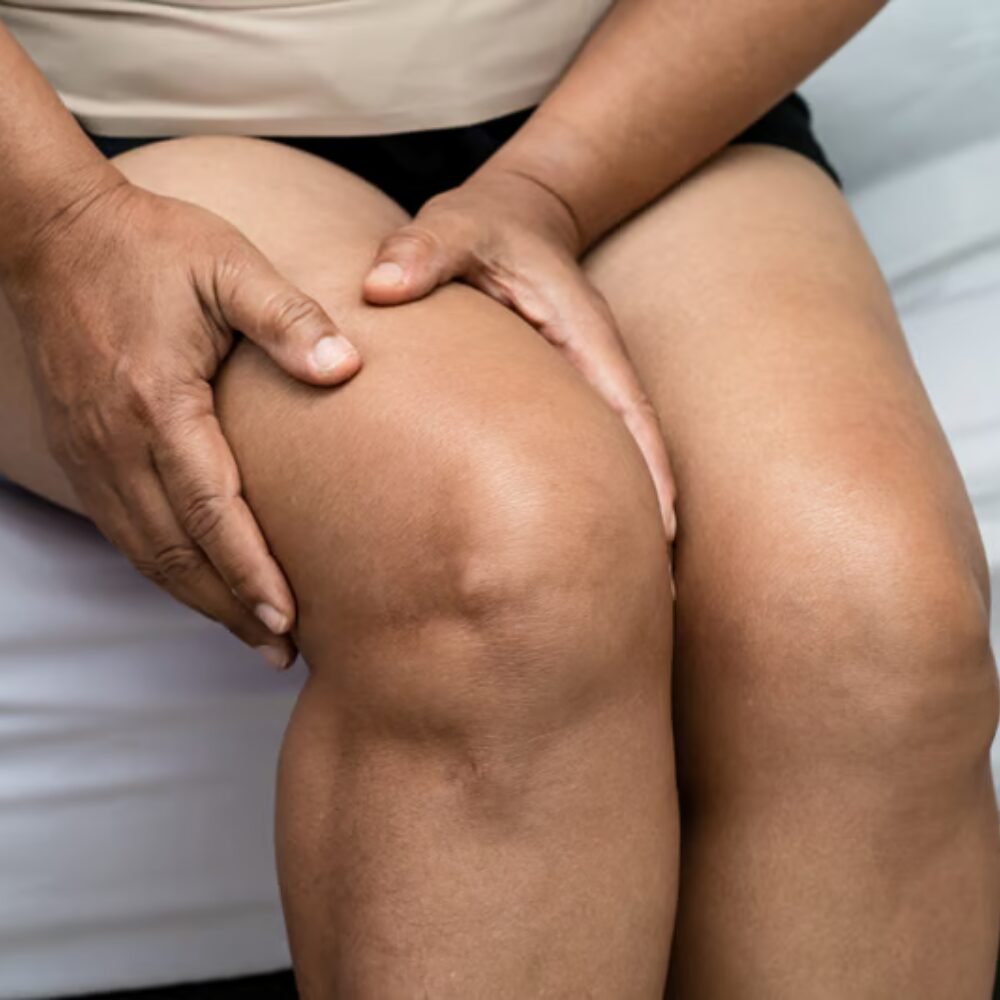
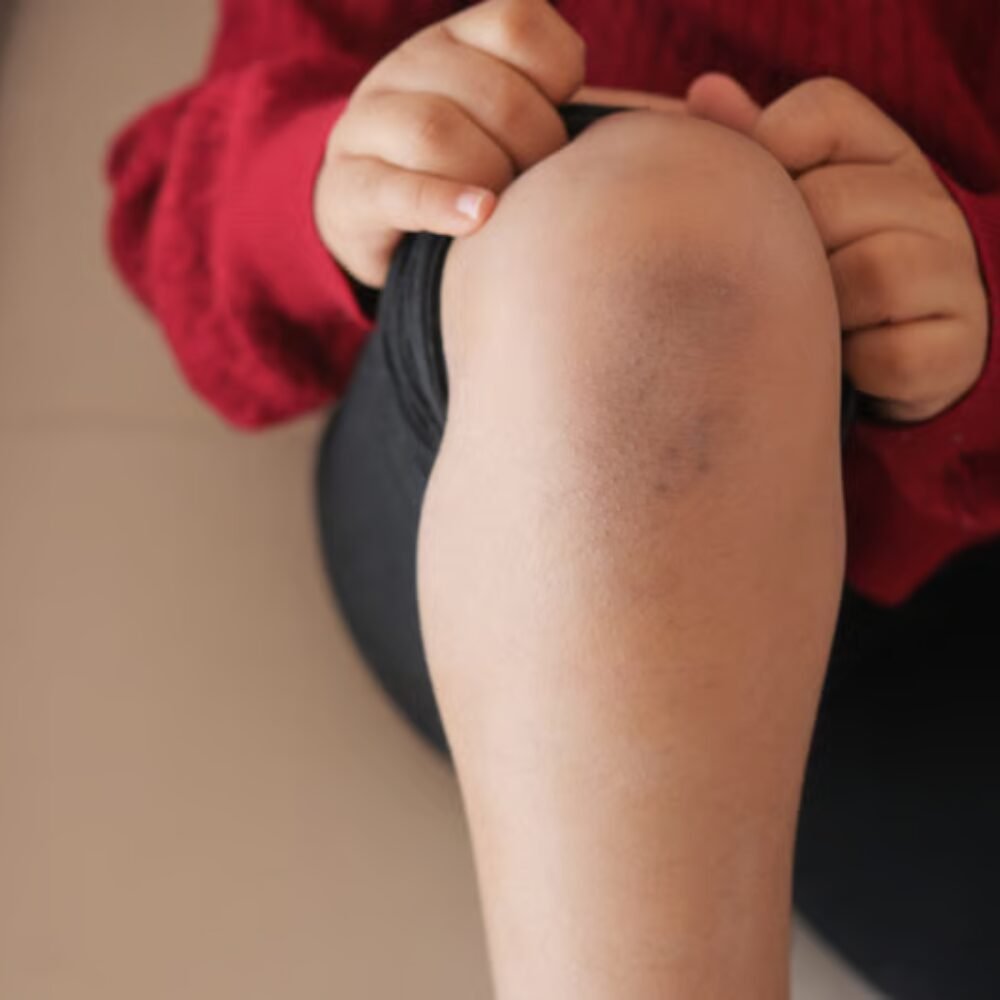
Swelling in the lower legs is a common health issue that many people experience at some point in life. If you are wondering what causes swollen legs from the knee down, the answer can vary from mild lifestyle factors to serious medical conditions.
Swollen legs occur when excess fluid builds up in the tissues, a condition known as edema. This can affect one or both legs and may develop gradually or suddenly.
Common Causes Include:
● Poor blood circulation
● Standing or sitting for long hours
● Injury or trauma to the knee or leg
● Kidney, heart, or liver problems
● Obesity or pregnancy
● Certain medications
Understanding what causes swollen legs from the knee down is important because early detection can prevent complications and improve recovery.
Knee pain and swelling are closely connected. When the knee joint is injured or inflamed, fluid can accumulate and spread down the leg.
This is why people often need proper knee pain treatment to reduce both discomfort and swelling. Conditions like arthritis, ligament injuries, or fractures can lead to fluid buildup.
In many cases, swelling below the knee is the body’s natural response to injury or inflammation.
Recognizing symptoms early helps in choosing the right knee swelling treatment. Timely care can reduce pain, prevent complications, and speed up recovery. Pay attention to signs like swelling, stiffness, and discomfort for better results and long-term joint health.
● Puffiness or visible swelling in the lower legs
● Tight or stretched skin
● Pain or discomfort in the knee or leg
● Reduced mobility
● Warmth or redness
● Indentation when pressed (pitting edema)
If you notice these symptoms, it’s essential to understand what causes swollen legs from the knee down and seek timely care.
Let’s take a deeper look at the major causes:
Injuries such as sprains, fractures, or ligament tears can lead to swelling. In such cases, knee injury treatment or knee fracture treatment is required.
Ligament injuries are common in athletes and active individuals. Proper knee ligament injury treatment is necessary to prevent long-term swelling.
Inflammatory conditions like osteoarthritis or rheumatoid arthritis can cause chronic swelling and require long-term knee joint pain treatment.
Poor circulation or medical conditions like kidney or heart disease can cause fluid buildup.
A serious condition that can cause sudden swelling and pain in one leg.
Infections in the leg or knee joint can lead to swelling, redness, and fever.
Clearly, identifying what causes swollen legs from the knee down helps in choosing the right treatment approach.
Certain factors increase the risk of swelling:
● Sedentary lifestyle
● Aging
● Obesity
● Pregnancy
● Previous injuries
● Chronic diseases
People with these risk factors should be more cautious and consider preventive knee pain treatment methods.
To properly diagnose the condition, doctors may recommend:
● Physical examination
● Blood tests
● X-rays or MRI scans
● Ultrasound (to check blood flow)
Diagnosis is crucial to determine what causes swollen legs from the knee down and guide the right knee injury treatment.
Treatment depends on the cause of swelling. Here are some common options:
Keeping your leg elevated helps reduce fluid buildup.
Compression stockings improve circulation and reduce swelling.
Doctors may prescribe:
● Pain relievers
● Anti-inflammatory drugs
● Diuretics (to reduce fluid retention)
Helps improve mobility and is essential for knee joint pain treatment.
Applying ice reduces inflammation and is effective in knee swelling treatment.
In severe cases, advanced treatments may be required:
● Surgery for ligament injuries (knee ligament injury treatment)
● Fracture repair procedures (knee fracture treatment)
● Drainage of excess fluid
● Treatment for underlying diseases
Recognizing symptoms early helps in choosing the right knee swelling treatment. Timely care can reduce pain, prevent complications, and speed up recovery. Pay attention to signs like swelling, stiffness, and discomfort for better results and long-term joint health.
Recovery depends on the cause:
● Mild swelling: 2–5 days
● Injury-related swelling: 2–6 weeks
● Post-surgery recovery: Several months
Following proper knee injury treatment can speed up healing.
Your daily habits play a big role in swelling:
● Sitting for long hours reduces blood flow
● Standing too long causes fluid accumulation
● Lack of exercise weakens muscles
Making lifestyle changes is key to preventing what causes swollen legs from the knee down.
Seek medical help if you notice:
● Sudden or severe swelling
● Pain along with swelling
● Redness or warmth
● Difficulty walking
● Swelling in one leg only
These could indicate serious conditions requiring immediate knee pain treatment.
Sudden swelling may be caused by injury, infection, or blood clots. Immediate medical attention is recommended.
Yes, injuries often lead to fluid buildup, requiring proper knee injury treatment.
Rest, ice, compression, and elevation are effective methods for knee swelling treatment.
It depends on the cause. While mild cases are harmless, some conditions like blood clots are serious.
The best knee joint pain treatment depends on the underlying cause and may include therapy, medication, or surgery.
Understanding what causes swollen legs from the knee down is essential for proper treatment and prevention. Swelling can result from simple lifestyle habits or serious medical conditions, so it should never be ignored.
Early diagnosis, proper care, and the right knee pain treatment can help you recover faster and prevent complications. Whether it’s knee ligament injury treatment, knee joint pain treatment, or knee swelling treatment, choosing the right approach is the key to healthy and pain-free legs.
If symptoms persist, always consult a healthcare professional for an accurate diagnosis and treatment.

EXCELLENTTrustindex verifies that the original source of the review is Google. Very satisfied with my treatment for knee pain. Its very painful for me to walk. But I am under treatment with dr. Himanshu Gupta and now I am perfectly fine. No pain, and now I can walk properly without any pain. Dr. Himanshu Gupta is very well trained doctor I've ever seenPosted on GoogleTrustindex verifies that the original source of the review is Google. I consulted Dr Himanshu Gupta for the Mother's knee pain and I am extremely grateful for the excellent care I received. Dr. Gupta was highly professional, knowledgeable, and made me feel at ease throughout the process. The hospital staff was attentive, ensuring a smooth and comfortable experience. It had a clean and friendly environment.Posted on GoogleTrustindex verifies that the original source of the review is Google. Dr. Gupta’s diagnosis has always been spot-on, and his approach to treatment was both thorough and reassuring. He took the time to patiently explain every step of the process, answering all our questions with clarity and empathy—something that made my mother feel confident and cared for throughout her recovery. Highly recommend Dr. Himanshu Gupta to anyone looking for an experienced and genuinely caring orthopedic specialist.Posted on GoogleTrustindex verifies that the original source of the review is Google. My mother operated here for her knee replacement. I totally recommend to visit here for ortho related problems. The results are amazing Best experience ever. Very satisfied with the robotic knee surgery. Staff is very professional and helpful. Dr. Himanshu Gupta is highly skilled in Robotic surgery. And so supportive during my mother's treatmentPosted on GoogleTrustindex verifies that the original source of the review is Google. Dr. Himanshu Gupta is an amazing orthopaedic. He treated my ACL problem with great care and expertise. His professionalism, explanation of treatment, and follow-up care were top-notch. Highly recommend for anyone needing orthopaedic care. My Surgery was also went smooth and successful Hospital's Pre & Post Care was very excellent. Staff was also so helpful during my stay.Posted on GoogleTrustindex verifies that the original source of the review is Google. I have expressed high satisfaction with Dr. Himanshu Gupta's friendliness, treatment, and explanation of health issues.Posted on GoogleTrustindex verifies that the original source of the review is Google. Dr. Himashu Gupta , Amicare Hospital, Indirapuram is the one of the best Doctor of Orthopaedic and also with loveble baheviour to every patient with care treatments, All the decoram of this Hospital have very fine and reasonable to treatment. All Staff of Hospital is too cooperative with good human behaviour.Posted on GoogleTrustindex verifies that the original source of the review is Google. Dr.Himanshu Gupta is very knowledgeable Doctor . My Knee surgery was successfully .Posted on GoogleTrustindex verifies that the original source of the review is Google. Good check up and doctor checkup is technique is perfectPosted on GoogleTrustindex verifies that the original source of the review is Google. Dr. Himanshu has deep knowledge of his subject. He is very caring and explains the diagnosis and treatment to the patient. My wife was under his treatment several times and got quick relief. Amicare hospital has good facilities and gives quick service under one roof.

Dr. Himanshu Gupta is a highly trusted and skilled orthopedic specialist, known for delivering expert care and personalized treatment.
+91 9650510275
orthodrhimanshugupta@gmail.com
Plot No. 15/16 Nyay Khand- 1, Near Indirapuram Public School, Indirapuram Ghaziabad- 201014 India
Privacy Policy | Term and Conditions | Sitemap
Copyright 2025 © All Right Reserved Design
Copyright 2026 © All Right Reserved Design
Fill the form and our team will get back to you shortly.