
Phone No
+91 9650510275
orthodrhimanshugupta@gmail.com
Location
Plot No. 15/16 Nyay Khand- 1, Ghaziabad.
+91 9650510275
orthodrhimanshugupta@gmail.com
Plot No. 15/16 Nyay Khand- 1, Ghaziabad.
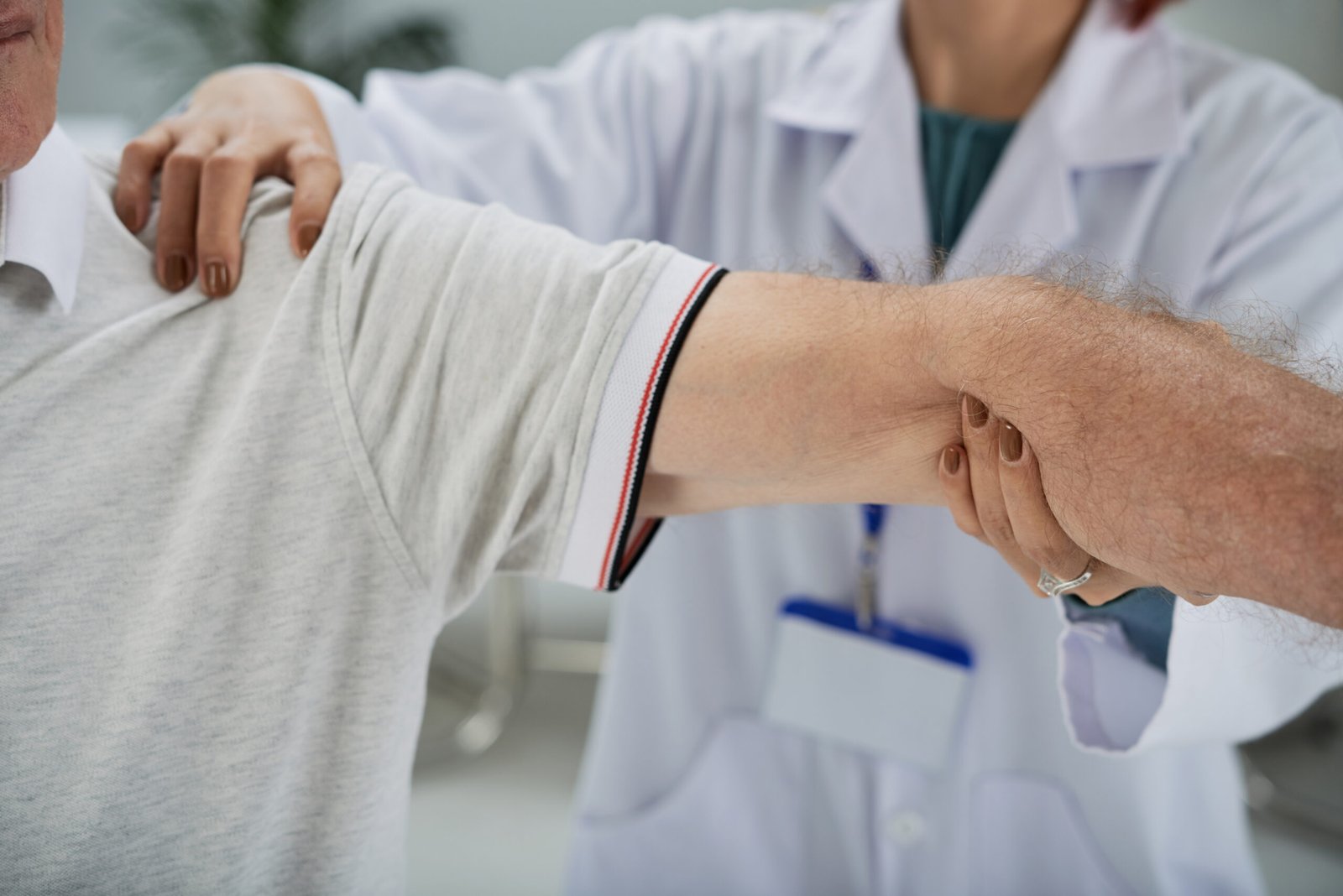
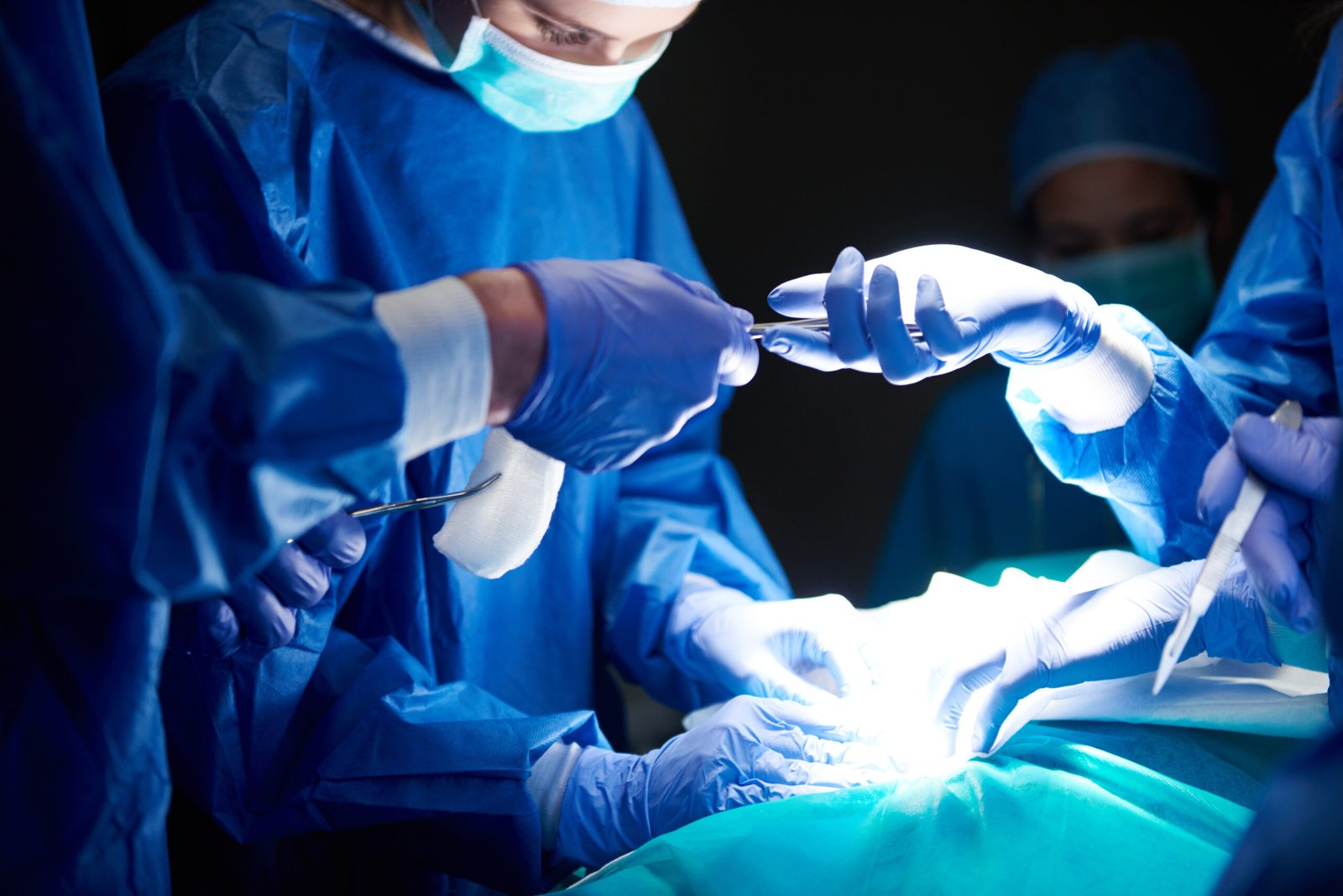
Shoulder arthroscopy is a minimally invasive surgical procedure used to diagnose and treat different shoulder joint problems or injuries. People searching for shoulder arthroscopy often want clear information about how the shoulder arthroscopy Surgery procedure works, whether it is a major surgery, how painful it is, how long recovery takes, and what the shoulder arthroscopy cost may be.
During shoulder arthroscopy, small incisions and a tiny camera are used to view and repair damaged tissues inside the shoulder. This advanced approach causes less pain, smaller scars, and faster healing compared to open shoulder surgery.
This guide explains what shoulder arthroscopy is, when it is recommended, procedure steps, recovery time, cost, benefits, risks, and common patient questions in a simple and easy-to-understand way.
Shoulder arthroscopy is a surgical technique where a small camera, called an arthroscope, is inserted into the shoulder joint through tiny cuts. The camera displays images on a screen, allowing accurate diagnosis and treatment of shoulder conditions.
● Rotator cuff tears
● Shoulder instability or dislocation
● Frozen shoulder
● Labral tears
● Shoulder impingement
Because shoulder arthroscopy is minimally invasive, it causes less tissue damage and promotes faster healing.
The shoulder arthroscopy procedure is performed under anesthesia and usually takes less time than open shoulder surgery.
● Small incisions are made around the shoulder
● An arthroscope is inserted to view the joint
● Special instruments are used to repair damaged tissues
● The incisions are closed with minimal sutures
This targeted approach makes shoulder arthroscopy safer and more accurate.
Proper preparation before the shoulder arthroscopy procedure helps reduce risks and supports a smoother recovery process.
● Physical examination and imaging tests to assess the shoulder condition
● Review of current medications and medical history
● Temporary activity restrictions to protect the shoulder
● Fasting before surgery if anesthesia is planned
Following these steps before shoulder arthroscopy helps prevent complications and improve surgical outcomes.
After shoulder arthroscopy, recovery begins immediately with guided care.
● Mild pain and swelling are common in the initial days
● A sling may be used for support
● Physiotherapy starts early to restore movement
● Gradual return to daily activities
Post-procedure care plays a major role in recovery success.
Shoulder arthroscopy is recommended when shoulder pain, stiffness, or instability does not improve with rest, medication, or physiotherapy. It is often advised that daily activities or sleep are affected due to ongoing shoulder problems.
● Constant shoulder pain that does not respond to non-surgical treatment
● Limited shoulder movement affects routine tasks
● Recurrent shoulder dislocations or a feeling of instability
● Shoulder injuries that interfere with work, sports, or daily life
In such cases, shoulder arthroscopy helps identify and treat the root cause of the problem rather than only controlling symptoms.
The shoulder arthroscopy recovery time varies depending on the type of shoulder condition treated and how consistently rehabilitation exercises are followed. Most patients experience steady improvement with proper care.
● 1–2 weeks: Pain and swelling gradually reduce, and basic movements become easier
● 4–6 weeks: Noticeable improvement in shoulder movement and comfort
● 2–3 months: Shoulder strength and flexibility continue to improve
● 4–6 months: Full recovery for most daily activities and non-contact sports
Compared to open surgery, shoulder arthroscopy recovery time is usually shorter with less discomfort.
The shoulder arthroscopy cost in India depends on several factors, such as the type of repair, location, and rehabilitation needs.
● India: ₹60,000 – ₹2,50,000 (approx.)
● Worldwide: Higher, depending on the healthcare system
Costs generally include surgery, hospital stay, and follow-up care.
Shoulder arthroscopy offers several advantages, especially when compared to traditional open shoulder surgery. These benefits make it a preferred treatment option for many shoulder conditions.
● Smaller incisions with minimal scarring and less tissue damage
● Reduced post-surgery pain and faster healing
● Shorter hospital stay and quicker return to daily activities
● Better joint visualization for accurate diagnosis and treatment
Because of these benefits, shoulder arthroscopy provides effective results with a smoother recovery process.
Although shoulder arthroscopy is considered a safe and minimally invasive procedure, like any surgery, it may carry some risks. Most complications are uncommon and can be minimized with proper surgical care and rehabilitation.
● Risk of infection at the incision site
● Temporary shoulder stiffness during the healing phase
● Rare nerve or blood vessel injury around the shoulder
● Continued shoulder pain in uncommon cases
Following post-operative instructions and physiotherapy significantly reduces the risks associated with shoulder arthroscopy.
Shoulder arthroscopy is most effective when the right patients are carefully selected. A thorough evaluation helps determine whether this procedure is the best treatment option.
● Patients with shoulder injuries confirmed through imaging tests
● Individuals experiencing constant shoulder pain or stiffness
● Those who did not improve with physiotherapy or medication
● People with good overall shoulder stability and joint condition
Proper assessment ensures better outcomes after shoulder arthroscopy.
It is important to seek medical advice when shoulder pain does not improve or starts affecting daily life. Early evaluation can help identify whether shoulder arthroscopy or other treatments may be needed.
● Shoulder pain lasts more than a few weeks without improvement
● Shoulder movement becomes limited or painful
● Pain interferes with daily activities or sleep
● There is a history of shoulder injury or repeated strain
Early diagnosis can prevent further shoulder damage and improve recovery outcomes.
Shoulder arthroscopy is a minimally invasive procedure and is less extensive than open shoulder surgery, with smaller incisions and faster recovery.
Pain after shoulder arthroscopy usually happens due to temporary swelling, inflammation, and tissue healing during the early recovery phase.
The shoulder arthroscopy cost depends on the type of repair needed, hospital location, and post-surgery rehabilitation requirements.
Shoulder arthroscopy recovery usually takes a few weeks to several months, depending on the severity of the shoulder condition treated.
Shoulder arthroscopy has a high success rate, especially when patients follow physiotherapy and post-operative care guidelines properly.
Shoulder arthroscopy is an effective and minimally invasive option for diagnosing and treating various shoulder problems. Understanding the shoulder arthroscopy procedure, recovery time, cost, benefits, and risks helps patients make informed decisions about their shoulder health.
With proper rehabilitation and timely care, most people experience pain relief, improved shoulder movement, and a successful recovery after shoulder arthroscopy.

EXCELLENTTrustindex verifies that the original source of the review is Google. Very satisfied with my treatment for knee pain. Its very painful for me to walk. But I am under treatment with dr. Himanshu Gupta and now I am perfectly fine. No pain, and now I can walk properly without any pain. Dr. Himanshu Gupta is very well trained doctor I've ever seenPosted on GoogleTrustindex verifies that the original source of the review is Google. I consulted Dr Himanshu Gupta for the Mother's knee pain and I am extremely grateful for the excellent care I received. Dr. Gupta was highly professional, knowledgeable, and made me feel at ease throughout the process. The hospital staff was attentive, ensuring a smooth and comfortable experience. It had a clean and friendly environment.Posted on GoogleTrustindex verifies that the original source of the review is Google. Dr. Gupta’s diagnosis has always been spot-on, and his approach to treatment was both thorough and reassuring. He took the time to patiently explain every step of the process, answering all our questions with clarity and empathy—something that made my mother feel confident and cared for throughout her recovery. Highly recommend Dr. Himanshu Gupta to anyone looking for an experienced and genuinely caring orthopedic specialist.Posted on GoogleTrustindex verifies that the original source of the review is Google. My mother operated here for her knee replacement. I totally recommend to visit here for ortho related problems. The results are amazing Best experience ever. Very satisfied with the robotic knee surgery. Staff is very professional and helpful. Dr. Himanshu Gupta is highly skilled in Robotic surgery. And so supportive during my mother's treatmentPosted on GoogleTrustindex verifies that the original source of the review is Google. Dr. Himanshu Gupta is an amazing orthopaedic. He treated my ACL problem with great care and expertise. His professionalism, explanation of treatment, and follow-up care were top-notch. Highly recommend for anyone needing orthopaedic care. My Surgery was also went smooth and successful Hospital's Pre & Post Care was very excellent. Staff was also so helpful during my stay.Posted on GoogleTrustindex verifies that the original source of the review is Google. I have expressed high satisfaction with Dr. Himanshu Gupta's friendliness, treatment, and explanation of health issues.Posted on GoogleTrustindex verifies that the original source of the review is Google. Dr. Himashu Gupta , Amicare Hospital, Indirapuram is the one of the best Doctor of Orthopaedic and also with loveble baheviour to every patient with care treatments, All the decoram of this Hospital have very fine and reasonable to treatment. All Staff of Hospital is too cooperative with good human behaviour.Posted on GoogleTrustindex verifies that the original source of the review is Google. Dr.Himanshu Gupta is very knowledgeable Doctor . My Knee surgery was successfully .Posted on GoogleTrustindex verifies that the original source of the review is Google. Good check up and doctor checkup is technique is perfectPosted on GoogleTrustindex verifies that the original source of the review is Google. Dr. Himanshu has deep knowledge of his subject. He is very caring and explains the diagnosis and treatment to the patient. My wife was under his treatment several times and got quick relief. Amicare hospital has good facilities and gives quick service under one roof.

Dr. Himanshu Gupta is a highly trusted and skilled orthopedic specialist, known for delivering expert care and personalized treatment.
+91 9650510275
orthodrhimanshugupta@gmail.com
Plot No. 15/16 Nyay Khand- 1, Near Indirapuram Public School, Indirapuram Ghaziabad- 201014 India
Privacy Policy | Term and Conditions | Sitemap
Copyright 2025 © All Right Reserved Design
Copyright 2026 © All Right Reserved Design