
Phone No
+91 9650510275
orthodrhimanshugupta@gmail.com
Location
Plot No. 15/16 Nyay Khand- 1, Ghaziabad.
+91 9650510275
orthodrhimanshugupta@gmail.com
Plot No. 15/16 Nyay Khand- 1, Ghaziabad.
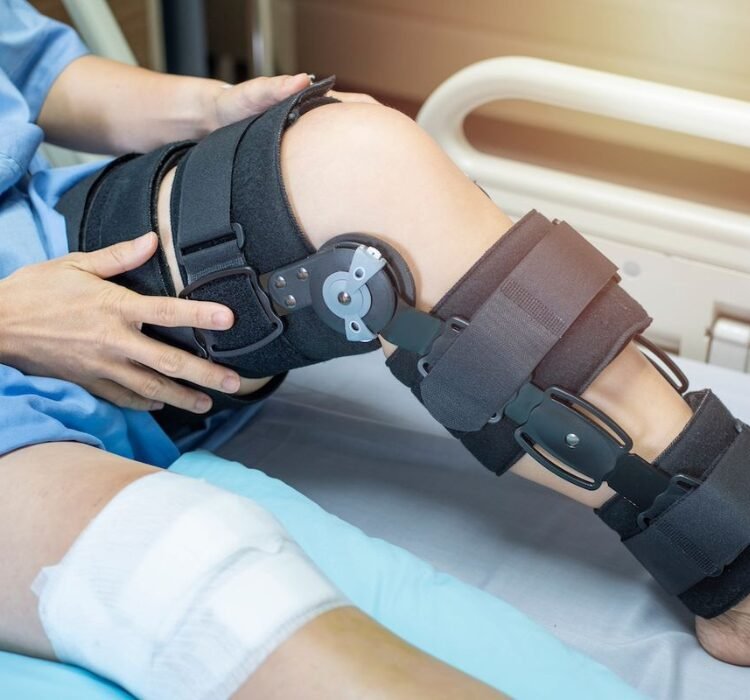
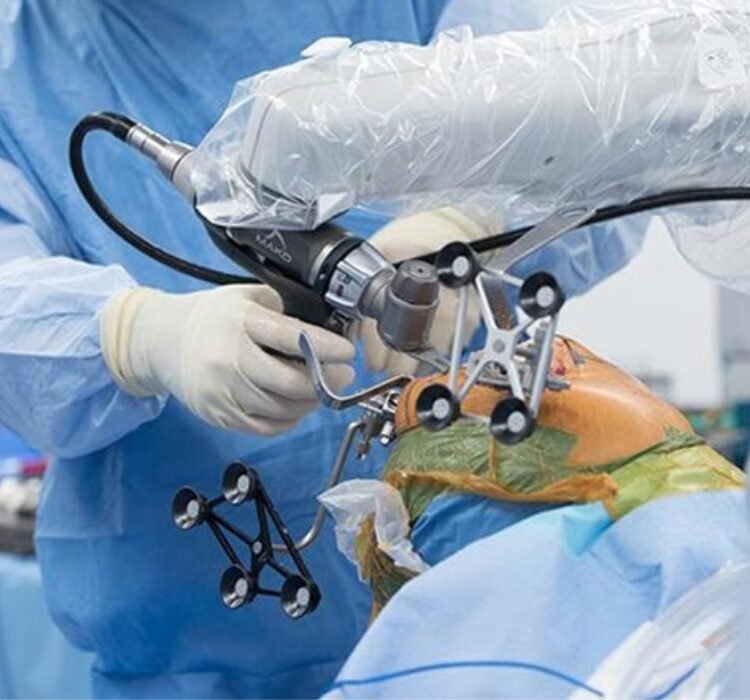
Knee arthritis and severe joint damage can significantly reduce mobility and quality of life. Over the last decade, robotic knee replacement surgery has emerged as an advanced technique designed to improve surgical precision and patient outcomes. Many patients today want to understand how robotic technology works, whether it is safe, and how recovery differs from conventional surgery.
In this detailed guide, we will explain the complete procedure, discuss the advantages of robotic surgery, outline recovery expectations, and clarify the cost of robotic surgery in practical terms. The goal is to provide clear, structured, and easy-to-understand information.
Robotic knee replacement surgery is an advanced form of joint replacement where a robotic system assists the orthopedic surgeon in planning and performing the operation with high precision.
Despite the name, the robot does not operate independently. The surgeon remains fully in control. The robotic arm acts as a guidance system that improves accuracy in bone cutting and implant placement.
This technique is commonly used for:
● Severe osteoarthritis
● Rheumatoid arthritis
● Post-traumatic arthritis
● Failed previous knee replacement
● Advanced cartilage damage
When knee pain becomes constant and conservative treatments fail, robotic knee surgery may be recommended.
To understand robotic knee replacement surgery, it is important to first answer: what is robotic surgery?
Robotic surgery Knee Replacement is a technology-assisted surgical method where a computerized system helps the surgeon perform precise movements. In orthopedics, the system creates a 3D model of the knee joint before surgery. This allows:
● Personalized surgical planning
● Accurate bone preparation
● Balanced soft tissue alignment
● Improved implant positioning
Unlike traditional surgery, robotic systems provide real-time feedback during the operation, reducing the risk of human error.
The process of robotic knee replacement surgery involves multiple stages. Below is a simplified explanation:
Before surgery:
● A CT scan or 3D imaging of the knee is done.
● A digital model of the knee joint is created.
● The surgeon plans the exact size and placement of the implant.
This planning stage is a major reason why robotic knee surgery is considered more precise.
In robotic knee replacement surgery:
● The surgeon makes a small incision.
● The robotic arm guides bone preparation.
● The system ensures accurate alignment.
● The artificial implant is placed precisely.
The robot prevents cutting beyond pre-set boundaries. This improves implant positioning and joint balance.
The damaged cartilage and bone are removed carefully. The artificial components made of metal and high-grade plastic are implanted to restore smooth joint movement.
Because of better accuracy in robotic knee replacement surgery, implant longevity may improve.
Many patients ask about the advantages of robotic surgery compared to traditional techniques. Below are the key benefits:
● Higher surgical precision
● Better implant alignment
● Reduced damage to surrounding tissues
● Smaller incisions
● Less blood loss
● Lower risk of complications
● Improved joint stability
● Faster early recovery
These benefits of robotic surgery are primarily due to the advanced planning and real-time guidance system.
The benefits of robotic surgery in knee replacement specifically include:
● More natural knee movement
● Improved balance between ligaments
● Reduced post-operative pain
● Faster return to walking
● Lower chance of implant loosening
Since alignment plays a critical role in long-term success, the precision offered by robotic knee replacement surgery can positively impact patient satisfaction.
You may be suitable for robotic knee replacement surgery if you have:
● Severe knee pain affecting daily life
● Stiffness and swelling
● Knee deformity
● Limited walking distance
● Failed non-surgical treatments
However, not every patient requires robotic assistance. The final decision depends on joint condition, bone quality, and surgeon evaluation.
Understanding the difference helps patients make informed decisions.
Feature | Traditional Surgery | Robotic Knee Replacement Surgery |
Planning | Manual measurements | 3D computer planning |
Accuracy | Depends on manual skill | Robotic precision |
Implant Alignment | Good | Highly precise |
Recovery | Standard | Often faster early mobility |
Tissue Damage | Moderate | Usually reduced |
While both procedures are effective, robotic knee replacement surgery aims to reduce variability.
The cost of robotic surgery is generally higher than traditional methods because of:
● Advanced robotic equipment
● Pre-surgical imaging
● Specialized training
● Technology maintenance
In India, the cost of robotic surgery for knee replacement may vary depending on:
● City
● Hospital infrastructure
● Type of implant used
● Patient medical condition
Although more expensive, some patients consider the added precision worth the investment.
Recovery is a major concern for patients considering robotic knee replacement surgery.
● Standing and walking with support
● Pain management
● Knee-bending exercises
● Gradual improvement in mobility
● Physiotherapy sessions
● Reduced swelling
● Independent walking in many cases
● Return to daily activities
● Improved strength
● Stable knee movement
Because robotic knee replacement surgery minimizes soft tissue damage, many patients report smoother early recovery.
Although generally safe, robotic knee surgery carries some risks:
● Infection
● Blood clots
● Implant loosening
● Stiffness
● Rare technical malfunction
However, robotic assistance reduces alignment-related errors, which may lower revision risk.
With proper alignment and balanced joint mechanics, implants from robotic knee replacement surgery may last 15–25 years or more. Longevity depends on:
● Body weight
● Activity level
● Bone health
● Rehabilitation compliance
Even small alignment errors can cause:
● Uneven wear
● Persistent pain
● Instability
● Early implant failure
The enhanced control provided in robotic knee replacement surgery reduces these risks by ensuring consistent accuracy.
Yes, when performed by trained orthopedic surgeons, robotic knee replacement surgery is considered safe and effective. It combines surgical expertise with technological support.
The robot does not replace the surgeon — it enhances precision.
Robotic knee replacement surgery is a technology-assisted procedure where a robotic system helps surgeons perform highly precise knee implant placement.
Robotic surgery is a method where computerized systems assist surgeons in performing accurate and minimally invasive operations.
The advantages of robotic surgery include better precision, smaller incisions, reduced blood loss, improved implant alignment, and faster early recovery.
The cost of robotic surgery depends on hospital, city, implant type, and patient condition. It is usually higher than traditional surgery due to advanced technology.
Both are effective. However, robotic knee surgery provides improved precision and alignment, which may enhance long-term outcomes.
Robotic knee replacement surgery has transformed the field of joint replacement by combining surgical expertise with advanced technology. It offers a more personalized and precise approach compared to conventional methods. Through 3D planning, real-time guidance, and controlled bone preparation, robotic knee replacement surgery enhances implant alignment, improves joint balance, and may contribute to better long-term outcomes.
Patients suffering from severe osteoarthritis, rheumatoid arthritis, or advanced joint damage often seek safer and more effective solutions. In such cases, robotic knee replacement surgery provides improved accuracy, potentially less soft tissue trauma, and faster early recovery. While the cost of robotic surgery may be slightly higher due to advanced technology and infrastructure, many patients consider the added precision and improved comfort worthwhile.

EXCELLENTTrustindex verifies that the original source of the review is Google. Very satisfied with my treatment for knee pain. Its very painful for me to walk. But I am under treatment with dr. Himanshu Gupta and now I am perfectly fine. No pain, and now I can walk properly without any pain. Dr. Himanshu Gupta is very well trained doctor I've ever seenPosted on GoogleTrustindex verifies that the original source of the review is Google. I consulted Dr Himanshu Gupta for the Mother's knee pain and I am extremely grateful for the excellent care I received. Dr. Gupta was highly professional, knowledgeable, and made me feel at ease throughout the process. The hospital staff was attentive, ensuring a smooth and comfortable experience. It had a clean and friendly environment.Posted on GoogleTrustindex verifies that the original source of the review is Google. Dr. Gupta’s diagnosis has always been spot-on, and his approach to treatment was both thorough and reassuring. He took the time to patiently explain every step of the process, answering all our questions with clarity and empathy—something that made my mother feel confident and cared for throughout her recovery. Highly recommend Dr. Himanshu Gupta to anyone looking for an experienced and genuinely caring orthopedic specialist.Posted on GoogleTrustindex verifies that the original source of the review is Google. My mother operated here for her knee replacement. I totally recommend to visit here for ortho related problems. The results are amazing Best experience ever. Very satisfied with the robotic knee surgery. Staff is very professional and helpful. Dr. Himanshu Gupta is highly skilled in Robotic surgery. And so supportive during my mother's treatmentPosted on GoogleTrustindex verifies that the original source of the review is Google. Dr. Himanshu Gupta is an amazing orthopaedic. He treated my ACL problem with great care and expertise. His professionalism, explanation of treatment, and follow-up care were top-notch. Highly recommend for anyone needing orthopaedic care. My Surgery was also went smooth and successful Hospital's Pre & Post Care was very excellent. Staff was also so helpful during my stay.Posted on GoogleTrustindex verifies that the original source of the review is Google. I have expressed high satisfaction with Dr. Himanshu Gupta's friendliness, treatment, and explanation of health issues.Posted on GoogleTrustindex verifies that the original source of the review is Google. Dr. Himashu Gupta , Amicare Hospital, Indirapuram is the one of the best Doctor of Orthopaedic and also with loveble baheviour to every patient with care treatments, All the decoram of this Hospital have very fine and reasonable to treatment. All Staff of Hospital is too cooperative with good human behaviour.Posted on GoogleTrustindex verifies that the original source of the review is Google. Dr.Himanshu Gupta is very knowledgeable Doctor . My Knee surgery was successfully .Posted on GoogleTrustindex verifies that the original source of the review is Google. Good check up and doctor checkup is technique is perfectPosted on GoogleTrustindex verifies that the original source of the review is Google. Dr. Himanshu has deep knowledge of his subject. He is very caring and explains the diagnosis and treatment to the patient. My wife was under his treatment several times and got quick relief. Amicare hospital has good facilities and gives quick service under one roof.

Dr. Himanshu Gupta is a highly trusted and skilled orthopedic specialist, known for delivering expert care and personalized treatment.
+91 9650510275
orthodrhimanshugupta@gmail.com
Plot No. 15/16 Nyay Khand- 1, Near Indirapuram Public School, Indirapuram Ghaziabad- 201014 India
Privacy Policy | Term and Conditions | Sitemap
Copyright 2025 © All Right Reserved Design
Copyright 2026 © All Right Reserved Design