
Phone No
+91 9650510275
orthodrhimanshugupta@gmail.com
Location
Plot No. 15/16 Nyay Khand- 1, Ghaziabad.
+91 9650510275
orthodrhimanshugupta@gmail.com
Plot No. 15/16 Nyay Khand- 1, Ghaziabad.
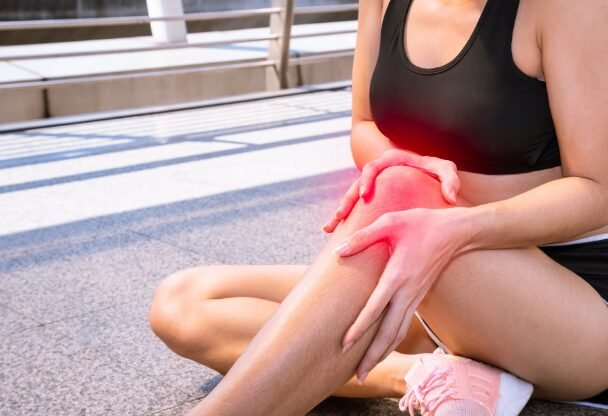
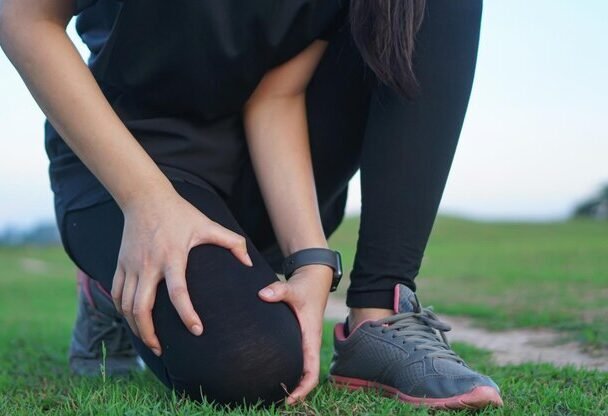
A partial ACL tear is a common knee ligament injury that can affect knee stability, movement, and confidence during daily activities and in sports. People suffering from a partial ACL tear often want easy-to-understand information about partial ACL tear symptoms, pain levels, and how the injury affects normal day-to-day movement.
Unlike a complete ligament injury, a partial ACL tear means the ligament is damaged but not fully torn. Because of this, partial ACL tear treatment options and the recovery timeline can differ based on how stable the knee is and how severe the injury is.
Further, understanding the cost of partial ACL tear treatment, expected recovery, and long-term knee health helps patients make informed choices and return to daily life with more confidence.
torn but not completely damaged. The ACL plays a crucial role in maintaining knee stability by preventing excessive forward movement and rotational instability of the shinbone.
In a partial ACL tear, some ligament fibers are still healthy, which helps the knee stay partly stable. However, even a partial injury can cause pain, swelling, instability, and difficulty during physical activities if left untreated.
● The ligament is damaged, but not fully damaged
● Knee stability may still be present, but compromised
● Symptoms may worsen with activity
● Treatment may be surgical or non-surgical, depending on severity
Understanding what a partial ACL tear is helps patients avoid unnecessary panic while still taking the injury seriously.
Partial ACL tear symptoms can range from mild discomfort to noticeable knee instability. Some people continue daily activities initially, while others experience immediate functional limitations and difficulties.
● Knee pain after injury or activity
● Swelling within a few hours of injury
● A feeling of the knee “giving way.”
● Difficulty turning, pivoting, or sudden stops
● Reduced confidence during walking or sports
● Mild to moderate instability & discomfort compared to complete tears
In some cases, partial ACL tear symptoms may appear subtle at first and worsen over time,
especially if the knee is stressed repeatedly.
A partial ACL tear usually occurs due to sudden stress placed on the knee joint. Identifying the exact cause and confirming the diagnosis is essential for selecting the most effective partial ACL tear treatment options and preventing further ligament damage.
● Sudden twisting or pivoting of the knee
● Sports injuries involving quick direction changes (football, basketball, cricket)
● Improper landing after jumping or sudden falls
● Road traffic accidents cause knee Injury
● Sudden deceleration while running or sprinting
These movements place excessive strain on the ACL, leading to partial fiber damage rather than a complete tear.
● Detailed physical examination to assess knee stability
● Stability tests such as the Lachman test or pivot shift test
● MRI scan to confirm partial ligament fiber damage
● X-rays to rule out fractures or associated bone injuries
An MRI scan is the gold standard for confirming a partial ACL tear and determining ligament integrity.
Partial ACL tear treatment options depend on knee stability, activity level, and injury severity. The main goal is to restore knee function, reduce instability, and prevent progression to a complete ACL tear.
Non-surgical partial ACL tear treatment is recommended when knee stability is maintained, and daily activities can be performed without major discomfort.
● Knee stability is preserved
● Daily movements are manageable and Controllable
● Sports or high-impact activities are limited
● Treatment includes physiotherapy, muscle strengthening, balance training, knee bracing, and activity modification
This approach focuses on improving strength and control without surgery.
Surgical partial ACL tear treatment is advised when instability affects function or there is a high risk of worsening injury.
● Knee instability continues despite rehabilitation
● Patient is physically active or plays sports
● The risk of progression to a complete ACL tear is high
● Surgery usually involves partial ACL reconstruction followed by structured rehabilitation
Surgical treatment aims to restore stability and allow a safe return to daily activities.
The partial ACL tear recovery timeline depends on whether treatment is surgical or non-surgical. Recovery focuses on reducing pain, restoring knee strength, and improving stability over time.
● 2–4 weeks: Pain and swelling start to reduce
● 6–8 weeks: Improved knee strength and stability
● 3–4 months: Return to daily activities with better knee control
● 0–2 weeks: Pain control and early knee mobility
● 6–12 weeks: Strength and balance improvement
● 4–6 months: Sports-specific training
● 6–9 months: Return to full physical activity
Proper rehabilitation is essential for successful partial ACL tear recovery in both cases.
The cost of partial ACL tear treatment depends on whether the injury is managed non-surgically or requires surgery. Factors such as diagnostic tests, rehabilitation duration, and treatment approach directly influence the overall cost.
● Non-surgical treatment cost:
○ ₹25,000 – ₹60,000 (approx.)
○ Covers consultation, MRI scans, physiotherapy sessions, knee bracing, and rehabilitation exercises
● Surgical treatment cost (Partial ACL reconstruction):
○ ₹1,80,000 – ₹3,50,000 (approx.)
○ Includes surgery, implants, hospital stay, post-surgery physiotherapy, and follow-up care
The average cost of partial ACL tear treatment may vary based on location, medical infrastructure, surgeon expertise, and rehabilitation needs.
A partial ACL tear does not always require surgery, especially when knee stability is preserved. Many patients recover well with non-surgical partial ACL tear treatment options.
● Knee instability affects daily activities
● Sports participation is important
● Conservative treatment does not provide stability
The best candidates for partial ACL tear surgery are those whose knee instability affects performance in sports and daily life. Surgery is more suitable when conservative treatment cannot meet activity demands.
Young and active individuals or athletes with pivoting sports demands often benefit more from surgical treatment. Patients with continuous knee instability or associated meniscus injuries may also be better candidates for surgery.
Partial ACL reconstruction is recommended when kanee instability persists or when activity demands are high. After surgery, the focus is on restoring knee stability, strength, and confidence through a structured recovery plan.
Patients undergoing partial ACL reconstruction can expect gradual pain reduction, controlled swelling, and progressive improvement in knee function. Rehabilitation starts early and advances step by step, allowing safe movement, muscle strengthening, and a guided return to sports or physical activities over time.
Recovery options without surgery are effective for many people with a stable partial ACL tear. Non-surgical recovery emphasizes strengthening the knee joint and improving control to support natural healing.
● Physiotherapy-based strengthening to support the injured ligament
● Balance and coordination training to improve knee stability
● Activity modification to prevent worsening of the partial ACL tear
Not always. Many partial ACL tears heal with physiotherapy if the knee remains stable.
Yes, mild to moderate partial ACL tears can heal without surgery with proper rehabilitation.
Healing usually takes 3–6 months, depending on severity and treatment.
Most patients recover within 8–16 weeks with structured physiotherapy.
A partial ACL tear may heal naturally, but guided rehabilitation is essential to prevent instability.
A partial ACL tear can affect knee stability and daily movement, but early diagnosis and the right partial ACL tear treatment options help prevent further damage. Understanding symptoms, recovery time, and whether surgery is required allows patients to make confident treatment decisions.
With proper rehabilitation or surgical care when needed, most people with a partial ACL tear can regain knee strength, improve stability, and return safely to normal activities or sports.
EXCELLENTTrustindex verifies that the original source of the review is Google. Very satisfied with my treatment for knee pain. Its very painful for me to walk. But I am under treatment with dr. Himanshu Gupta and now I am perfectly fine. No pain, and now I can walk properly without any pain. Dr. Himanshu Gupta is very well trained doctor I've ever seenPosted on GoogleTrustindex verifies that the original source of the review is Google. I consulted Dr Himanshu Gupta for the Mother's knee pain and I am extremely grateful for the excellent care I received. Dr. Gupta was highly professional, knowledgeable, and made me feel at ease throughout the process. The hospital staff was attentive, ensuring a smooth and comfortable experience. It had a clean and friendly environment.Posted on GoogleTrustindex verifies that the original source of the review is Google. Dr. Gupta’s diagnosis has always been spot-on, and his approach to treatment was both thorough and reassuring. He took the time to patiently explain every step of the process, answering all our questions with clarity and empathy—something that made my mother feel confident and cared for throughout her recovery. Highly recommend Dr. Himanshu Gupta to anyone looking for an experienced and genuinely caring orthopedic specialist.Posted on GoogleTrustindex verifies that the original source of the review is Google. My mother operated here for her knee replacement. I totally recommend to visit here for ortho related problems. The results are amazing Best experience ever. Very satisfied with the robotic knee surgery. Staff is very professional and helpful. Dr. Himanshu Gupta is highly skilled in Robotic surgery. And so supportive during my mother's treatmentPosted on GoogleTrustindex verifies that the original source of the review is Google. Dr. Himanshu Gupta is an amazing orthopaedic. He treated my ACL problem with great care and expertise. His professionalism, explanation of treatment, and follow-up care were top-notch. Highly recommend for anyone needing orthopaedic care. My Surgery was also went smooth and successful Hospital's Pre & Post Care was very excellent. Staff was also so helpful during my stay.Posted on GoogleTrustindex verifies that the original source of the review is Google. I have expressed high satisfaction with Dr. Himanshu Gupta's friendliness, treatment, and explanation of health issues.Posted on GoogleTrustindex verifies that the original source of the review is Google. Dr. Himashu Gupta , Amicare Hospital, Indirapuram is the one of the best Doctor of Orthopaedic and also with loveble baheviour to every patient with care treatments, All the decoram of this Hospital have very fine and reasonable to treatment. All Staff of Hospital is too cooperative with good human behaviour.Posted on GoogleTrustindex verifies that the original source of the review is Google. Dr.Himanshu Gupta is very knowledgeable Doctor . My Knee surgery was successfully .Posted on GoogleTrustindex verifies that the original source of the review is Google. Good check up and doctor checkup is technique is perfectPosted on GoogleTrustindex verifies that the original source of the review is Google. Dr. Himanshu has deep knowledge of his subject. He is very caring and explains the diagnosis and treatment to the patient. My wife was under his treatment several times and got quick relief. Amicare hospital has good facilities and gives quick service under one roof.

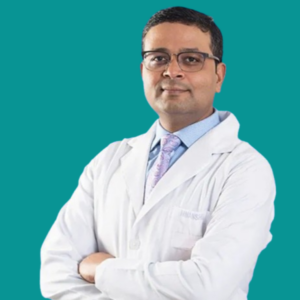
Dr. Himanshu Gupta is a highly trusted and skilled orthopedic specialist, known for delivering expert care and personalized treatment.
+91 9650510275
orthodrhimanshugupta@gmail.com
Room No. 187, Max Hospital, W-3, Ashok Marg, near Radisson Blu Hotel, Sector-1, Vaishali, Ghaziabad, Uttar Pradesh 201010
Privacy Policy | Term and Conditions | Sitemap
Copyright 2025 © All Right Reserved Design
Copyright 2026 © All Right Reserved Design
Fill the form and our team will get back to you shortly.