Phone No

+91 9650510275

Email

orthodrhimanshugupta@gmail.com

Location

Plot No. 15/16 Nyay Khand- 1, Ghaziabad.

Home / Orthopaedic / Top 10 Easy Exercises After Knee Replacement Surgery for Faster Recovery

Top 10 Exercises After Knee Replacement Surgery for Recovery

Regaining mobility after knee replacement surgery can feel both exciting and challenging. The key to a successful recovery lies not just in the surgery itself, but in what comes after — your rehabilitation exercises. These exercises after knee replacement surgery play a vital role in improving flexibility, restoring strength, and ensuring the long-term success of your knee implant. Whether you’ve undergone a total knee replacement or partial knee replacement, starting gentle movements early can significantly reduce stiffness and improve your recovery timeline. In this guide, we’ll explore the top 10 easy knee replacement exercises that promote faster recovery, prevent complications, and help you get back to an active lifestyle safely.

Why Exercises After Knee Replacement Surgery Are Important

Physical therapy and regular movement are essential to achieve the best knee replacement surgery success rate. Without consistent post-operative exercises, stiffness, swelling, and joint tightness may delay healing.

Here’s why post-operative knee replacement exercises matter:

Faster recovery: Encourages better blood flow and reduces inflammation.

Stronger muscles: Prevent weakness around the operated joint.

Improved flexibility: Helps regain the full range of motion.

Long-term success: Enhances implant durability and overall comfort.

Top 10 Easy Exercises After Knee Replacement Surgery

These simple yet effective exercises are ideal for patients in all stages of knee replacement recovery. Always perform them gradually and avoid overexertion.

1. Ankle Pumps

Purpose: Enhances blood circulation and prevents blood clots during early recovery.

How to do: Lie on your back and gently flex your ankles by moving your toes up and down repeatedly.

Repetitions: 20–30 times per session, 3–4 times a day.

When to start: Within 24 hours after surgery.

Tip: This helps reduce swelling and improves overall knee replacement recovery time.

2. Quadriceps Sets (Quad Tightening)

Purpose: Strengthens the quadriceps muscles that support knee stability.

How to do: Lie on a flat surface, tighten your thigh muscles by pressing the back of your knee into the bed. Hold for 5–10 seconds and then relax.

Repetitions: 10–15 times per session.

Tip: Consistent quad strengthening improves the knee replacement surgery success rate and
joint control.

3. Heel Slides

Purpose: Enhances flexibility and increases knee-bending capability.

How to do: Lie on your back, slowly slide your heel toward your buttocks, then straighten the leg gently.

Repetitions: 10–20 times per day.

Tip: Excellent for improving range of motion in the early recovery phase.

4. Straight Leg Raises

Purpose: Builds thigh muscle strength without excessive knee bending.

How to do: Lie flat, keep one leg straight and the other bent. Lift the straight leg 12 inches off the bed, hold for a few seconds, and lower slowly.

Repetitions: 10–15 times.

Tip: A great exercise for early total knee replacement recovery to restore muscle endurance.

5. Seated Knee Bends (Flexion)

Purpose: Improves joint flexibility and motion range.

How to do: Sit on a sturdy chair and bend your knee as far back as possible without pain, then return to the starting position.

Repetitions: 10–15 times daily.

Tip: Helps maintain mobility and smooth knee replacement exercises

6. Hamstring Curls

Purpose: Strengthens hamstring muscles, improving balance and joint stability.

How to do: Stand while holding a chair for balance. Lift your heel toward your buttocks, then slowly lower it back down.

Repetitions: 10–15 times per leg.

Tip: Great for long-term strength and post-operative knee replacement recovery.

7. Short Arc Quads

Purpose: Helps regain control over thigh muscles and knee extension.

How to do: Place a rolled towel under your knee, lift your foot upward until your knee
straightens, hold for 5 seconds, and relax.

Repetitions: 10–12 times.

Tip: Encourages proper alignment and supports the knee replacement success rate.

8. Calf Raises

Purpose: Strengthens calf muscles and promotes better blood circulation.

How to do: Hold onto a chair or railing, raise your heels so that you stand on your toes, and then lower them slowly.

Repetitions: 10–15 times per set.

Tip: Improves balance and walking endurance during knee replacement recovery.

9. Stationary Cycling

Purpose: Boosts flexibility, endurance, and coordination without stressing the joint.

How to do: Use a stationary bike on the lowest resistance setting for 10–15 minutes a day.

Tip: Perfect for improving overall mobility and reducing knee replacement surgery recovery time.

10. Walking

Purpose: Aids mobility and builds stamina post-surgery.

How to do: Start with a walker, then transition to a cane, and gradually walk unassisted for 15–30 minutes daily.

When to start: Typically after 2–4 weeks with physiotherapist approval.

Tip: Walking is one of the best knee replacement exercises to promote long-term success and
confidence in movement.

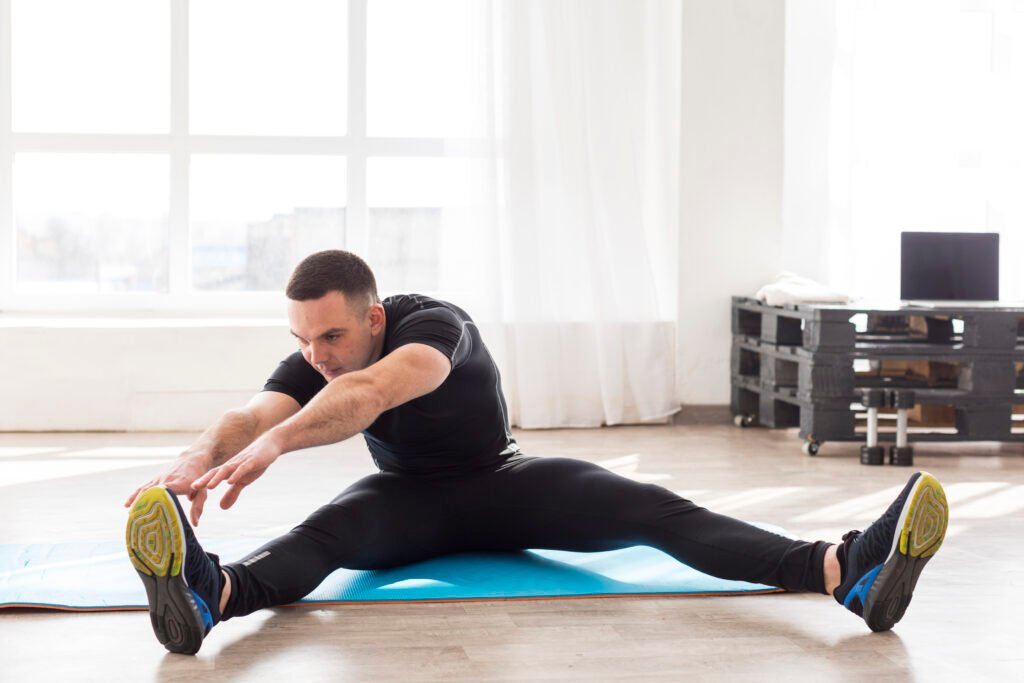
Exercises to Avoid After Knee Replacement

While performing exercises after knee replacement is essential for recovery, certain high-impact or twisting movements can put undue stress on your new joint and slow down healing. Avoid these activities during the initial recovery phase to protect your implant and maintain long-term stability:

● Deep squats or lunges – These movements put excessive pressure on the artificial joint, increasing the risk of pain or loosening.

● Jumping or running – High-impact exercises can strain the implant and delay recovery.

● Twisting or pivoting the knee sharply – Sudden turns or jerks can damage surrounding tissues and reduce implant alignment.

● Lifting heavy weights early in recovery – It can cause unnecessary stress on the replaced knee and slow down rehabilitation.

Avoiding these knee replacement exercises early on helps safeguard your implant, promote proper healing, and ensure a long-lasting knee replacement success rate with improved comfort and mobility

Understanding the Recovery Timeline

The knee replacement recovery time varies for each patient, but generally follows this pattern:

Week 1–2: Focus on pain control and gentle movements like ankle pumps and heel
slides.

Week 3–6: Begin moderate strength training and flexibility exercises.

Month 2–3: Walk independently and resume light daily activities.

Month 4–6: Return to normal routines with improved stability and comfort.

Patients who maintain consistent total knee replacement exercises usually enjoy faster healing and long-term results.

Exercises After Knee Replacement vs. Exercises to Avoid

Recommended ExercisesExercises to AvoidWhy
Heel slidesDeep squatsExcessive pressure on the new joint
Straight leg raisesJumping / runningHigh-impact stress on the implant
Stationary cyclingTwisting movementsMay loosen the joint
WalkingLifting heavy weights earlySlows recovery and increases pain

Tips for Better Results After Knee Replacement

Successful recovery depends on more than just surgery — it’s about discipline, consistency, and smart aftercare. Follow these key tips to achieve the best outcomes and support long-term joint health:

Follow your physiotherapist’s plan consistently – Adhering to your recommended knee replacement exercises ensures faster strength gain and joint flexibility.

Maintain a healthy weight – Reducing excess load on your new joint helps prolong implant life and enhances comfort during daily activities.

Include daily knee replacement exercises – Regular movement prevents stiffness, boosts blood flow, and supports long-term recovery.

Eat a nutrient-rich diet – Foods rich in calcium, vitamin D, and protein help strengthen bones and speed up healing.

With proper care, discipline, and consistent exercise, patients can experience better mobility, faster recovery, and an improved knee replacement surgery success rate that lasts for years.

FAQs

Q1. How soon can I start exercises after knee replacement surgery?

You can start simple movements like ankle pumps and quad sets within 24 hours under professional supervision. Early mobility helps prevent stiffness and improves your knee replacement recovery time.

Q2. How long does it take to fully recover?

Most patients achieve complete recovery in 3–6 months with regular physiotherapy and adherence to prescribed knee replacement exercises for long-term success.

Q3. Are these exercises safe for older adults?

Yes, all exercises after knee replacement surgery can be adapted for seniors. Physiotherapists personalize intensity to ensure safety, comfort, and balance during recovery.

Q4. What are the best exercises for long-term knee strength?

Walking, cycling, and quadriceps strengthening are excellent for maintaining mobility and ensuring a sustainable knee replacement surgery success rate.

Q5. Can I do yoga or gym workouts after recovery?

Yes, after your doctor’s approval. Low-impact yoga poses and controlled strength training can be introduced gradually to support flexibility and stability without straining the new implant.

Final Thoughts

Your journey after knee replacement surgery doesn’t end in the operating theatre — it begins with movement. Consistently performing these exercises after knee replacement can drastically improve your recovery, mobility, and overall knee replacement success rate. Whether guided by your physiotherapist or done at home, remember: gentle, regular movement is the secret to walking pain-free again.

About Author