
Phone No
+91 9650510275
orthodrhimanshugupta@gmail.com
Location
Plot No. 15/16 Nyay Khand- 1, Ghaziabad.
+91 9650510275
orthodrhimanshugupta@gmail.com
Plot No. 15/16 Nyay Khand- 1, Ghaziabad.
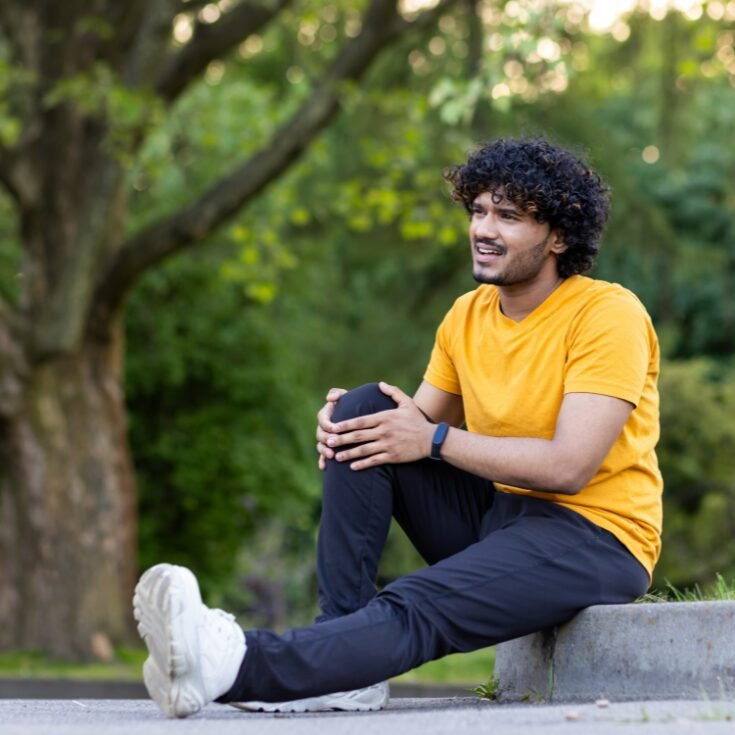
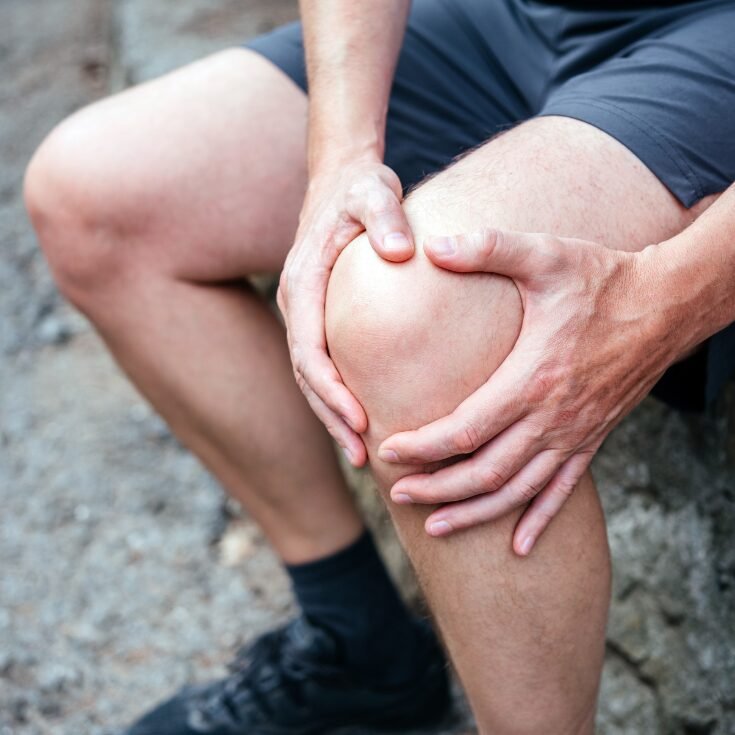
Knee problems are often associated with older adults, but in recent years many young people have started experiencing knee discomfort. Understanding the causes of knee pain in young adults is important because early diagnosis and proper care can prevent long-term joint damage. Young adults today often engage in sports, fitness training, and physically demanding activities, which may increase the risk of knee injuries and joint strain.
The knee joint is one of the most complex joints in the human body. It supports body weight and allows movement such as walking, running, bending, and jumping. When the joint is exposed to excessive pressure or injury, it can result in knee pain and mobility problems. In many cases, identifying the knee pain causes early can help manage the condition effectively and reduce the risk of chronic knee joint pain.
This article explains the causes of knee pain in young adults, common symptoms, possible risk factors, and the most effective treatment options to maintain healthy knee joints.
There are several medical and lifestyle-related factors responsible for the causes of knee pain in young adults. These conditions can affect the ligaments, cartilage, bones, or muscles around the knee joint.
Sports activities such as football, basketball, running, or gym workouts are one of the major knee pain reasons in young adults. Sudden twisting movements, jumping, or incorrect landing may lead to ligament strain or cartilage damage.
Sports injuries often cause knee joint pain along with swelling and instability in the knee. If not treated properly, the injury may lead to long-term knee pain.
One of the most common knee pain causes in young adults is overuse of the knee joint. Repeated stress on the knee due to running, cycling, or intense exercise can irritate the tissues surrounding the joint.
Overuse injuries may gradually lead to persistent knee pain and difficulty performing daily physical activities.
Patellofemoral pain syndrome, commonly called runner’s knee, is another important factor in the causes of knee pain in young adults. This condition occurs when the kneecap does not move properly within the joint.
Young adults who regularly run or perform high-impact activities often experience knee joint pain due to this condition.
The meniscus is a piece of cartilage that acts as a cushion between the bones of the knee joint. A sudden twist or heavy pressure can cause the cartilage to tear.
Meniscus injuries are among the common knee pain reasons and may cause swelling, stiffness, and difficulty bending the knee.
Ligament injuries occur when the supporting structures of the knee are stretched or torn. These injuries often happen during sports or sudden movements.
Ligament damage may lead to severe knee pain and instability in the joint, making it difficult to walk or stand.
Weak muscles or poor posture can place extra pressure on the knee joint. This imbalance may gradually develop into knee joint pain and discomfort during physical activities.
Improving muscle strength through exercises for knee pain can help stabilize the joint and reduce strain on the knees.
The symptoms associated with the causes of knee pain in young adults can vary depending on the underlying condition. Some common symptoms include:
● Persistent knee pain during movement
● Swelling around the knee joint
● Stiffness and reduced flexibility
● Difficulty bending or straightening the knee
● A popping or clicking sound in the knee
● Weakness in the leg muscles
If these symptoms persist for several days or worsen with time, medical consultation is recommended to determine the exact knee pain causes.
Several factors may increase the risk of developing knee pain in young adults.
Carrying extra body weight increases pressure on the knee joint, which may contribute to knee joint pain over time.
Weak muscles around the knee may fail to support the joint properly. This may increase the chances of injuries and other knee pain reasons.
Incorrect workout techniques or sudden increases in physical activity may lead to stress on the knee joint and result in knee pain.
A previous knee injury may weaken the joint and increase the likelihood of experiencing knee pain again in the future.
To identify the causes of knee pain in young adults, doctors usually perform a detailed evaluation.
The doctor checks swelling, tenderness, and range of motion in the knee joint to identify possible knee pain causes.
Tests such as X-rays, MRI scans, or ultrasound may be used to detect ligament injuries, cartilage damage, or bone abnormalities.
Understanding the patient’s activity level, lifestyle habits, and previous injuries helps determine the most accurate diagnosis.
The appropriate knee pain treatment depends on the severity and underlying cause of the condition.
Avoiding activities that strain the knee joint can help reduce inflammation and allow the tissues to heal.
Doctors may recommend anti-inflammatory medications to reduce swelling and relieve knee pain.
Physical therapy is an important part of knee pain treatment. Strengthening exercises help improve joint stability and reduce stress on the knee.
Maintaining a healthy weight and practicing proper posture can significantly reduce knee joint pain.
In severe cases where conservative treatments fail, surgical procedures may be required to repair damaged ligaments or cartilage.
Regular physical activity plays a major role in maintaining joint health. Performing exercises for knee pain can strengthen muscles around the knee and improve mobility.
This exercise strengthens the quadriceps muscles without placing pressure on the knee joint.
Stretching the hamstrings improves flexibility and reduces tension around the knee.
Heel slides help improve knee movement and reduce stiffness in the joint.
Wall squats strengthen the muscles supporting the knee joint and help prevent knee pain.
Performing these exercises for knee pain regularly can improve stability and reduce the chances of future injuries.
Preventing knee pain is possible by adopting healthy lifestyle habits.
● Maintain a healthy body weight
● Warm up before exercise
● Use proper workout techniques
● Strengthen leg muscles regularly
● Avoid excessive strain on the knee joint
● Wear comfortable and supportive footwear
Following these steps can help reduce the risk of developing knee joint pain and other knee pain reasons.
The most common knee pain causes include sports injuries, ligament strain, overuse of the knee joint, meniscus injuries, and muscle imbalance.
Knee pain treatment may involve rest, physiotherapy, medications, strengthening exercises, and lifestyle changes depending on the severity of the condition.
Yes, performing regular exercises for knee pain can strengthen muscles around the knee joint and improve flexibility.
You should consult a doctor if knee pain persists for several days, causes swelling, or interferes with daily activities.
Maintaining a healthy weight, warming up before exercise, and strengthening leg muscles can help prevent knee joint pain and reduce knee pain reasons.
Understanding the causes of knee pain in young adults is important for preventing long-term joint problems. Knee pain may develop due to sports injuries, overuse of the joint, ligament damage, or poor posture. Identifying the early knee pain causes allows timely treatment and prevents complications.
With proper knee pain treatment, lifestyle adjustments, and regular exercises for knee pain, most young adults can manage knee discomfort effectively and maintain healthy knee joints. If knee pain persists or becomes severe, seeking professional medical advice is essential for accurate diagnosis and proper care.

EXCELLENTTrustindex verifies that the original source of the review is Google. Very satisfied with my treatment for knee pain. Its very painful for me to walk. But I am under treatment with dr. Himanshu Gupta and now I am perfectly fine. No pain, and now I can walk properly without any pain. Dr. Himanshu Gupta is very well trained doctor I've ever seenPosted on GoogleTrustindex verifies that the original source of the review is Google. I consulted Dr Himanshu Gupta for the Mother's knee pain and I am extremely grateful for the excellent care I received. Dr. Gupta was highly professional, knowledgeable, and made me feel at ease throughout the process. The hospital staff was attentive, ensuring a smooth and comfortable experience. It had a clean and friendly environment.Posted on GoogleTrustindex verifies that the original source of the review is Google. Dr. Gupta’s diagnosis has always been spot-on, and his approach to treatment was both thorough and reassuring. He took the time to patiently explain every step of the process, answering all our questions with clarity and empathy—something that made my mother feel confident and cared for throughout her recovery. Highly recommend Dr. Himanshu Gupta to anyone looking for an experienced and genuinely caring orthopedic specialist.Posted on GoogleTrustindex verifies that the original source of the review is Google. My mother operated here for her knee replacement. I totally recommend to visit here for ortho related problems. The results are amazing Best experience ever. Very satisfied with the robotic knee surgery. Staff is very professional and helpful. Dr. Himanshu Gupta is highly skilled in Robotic surgery. And so supportive during my mother's treatmentPosted on GoogleTrustindex verifies that the original source of the review is Google. Dr. Himanshu Gupta is an amazing orthopaedic. He treated my ACL problem with great care and expertise. His professionalism, explanation of treatment, and follow-up care were top-notch. Highly recommend for anyone needing orthopaedic care. My Surgery was also went smooth and successful Hospital's Pre & Post Care was very excellent. Staff was also so helpful during my stay.Posted on GoogleTrustindex verifies that the original source of the review is Google. I have expressed high satisfaction with Dr. Himanshu Gupta's friendliness, treatment, and explanation of health issues.Posted on GoogleTrustindex verifies that the original source of the review is Google. Dr. Himashu Gupta , Amicare Hospital, Indirapuram is the one of the best Doctor of Orthopaedic and also with loveble baheviour to every patient with care treatments, All the decoram of this Hospital have very fine and reasonable to treatment. All Staff of Hospital is too cooperative with good human behaviour.Posted on GoogleTrustindex verifies that the original source of the review is Google. Dr.Himanshu Gupta is very knowledgeable Doctor . My Knee surgery was successfully .Posted on GoogleTrustindex verifies that the original source of the review is Google. Good check up and doctor checkup is technique is perfectPosted on GoogleTrustindex verifies that the original source of the review is Google. Dr. Himanshu has deep knowledge of his subject. He is very caring and explains the diagnosis and treatment to the patient. My wife was under his treatment several times and got quick relief. Amicare hospital has good facilities and gives quick service under one roof.

Dr. Himanshu Gupta is a highly trusted and skilled orthopedic specialist, known for delivering expert care and personalized treatment.
+91 9650510275
orthodrhimanshugupta@gmail.com
Plot No. 15/16 Nyay Khand- 1, Near Indirapuram Public School, Indirapuram Ghaziabad- 201014 India
Privacy Policy | Term and Conditions | Sitemap
Copyright 2025 © All Right Reserved Design
Copyright 2026 © All Right Reserved Design