
Phone No
+91 9650510275
orthodrhimanshugupta@gmail.com
Location
Plot No. 15/16 Nyay Khand- 1, Ghaziabad.
+91 9650510275
orthodrhimanshugupta@gmail.com
Plot No. 15/16 Nyay Khand- 1, Ghaziabad.
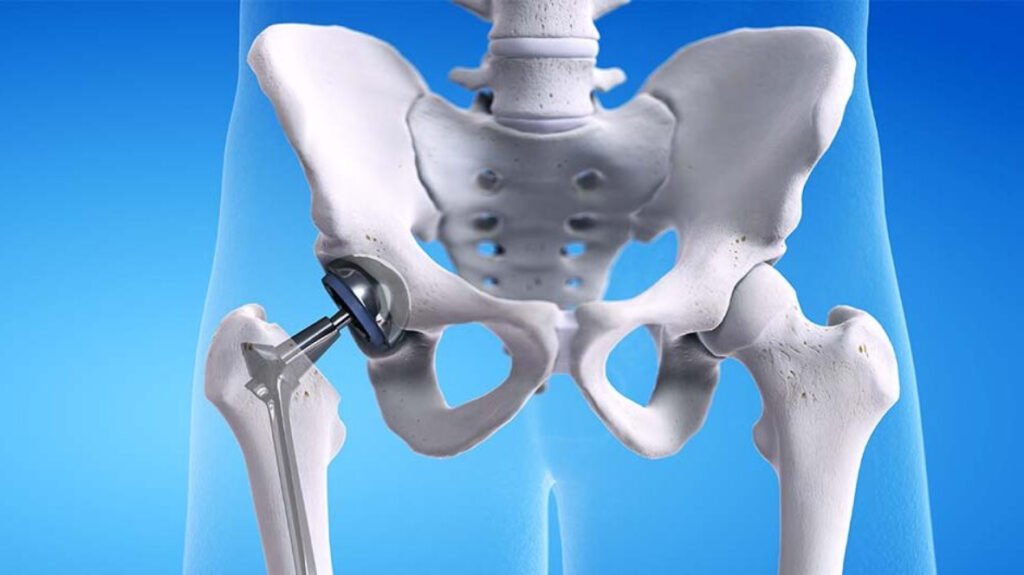
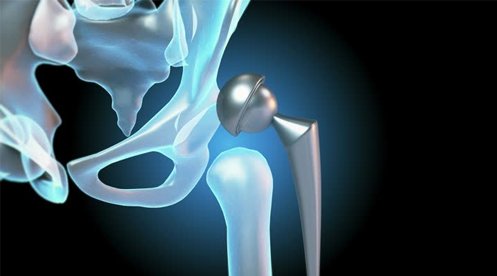
Bipolar Hip Replacement is a commonly recommended surgical procedure for patients experiencing severe hip pain, mobility restrictions, fractures, or advanced joint degeneration. For many, this hip replacement becomes a life-changing solution when conservative treatments like physiotherapy, rest, or medication fail to provide long-term relief.
This guide covers everything you need to know about Bipolar Hip Replacement, including what it is, how it works, the complete procedure, benefits, risks, recovery timeline, cost, prosthesis types, and expectations before and after surgery. This blog is designed to help you make an informed & accurate medical decision with confidence.
Bipolar Hip Replacement, also known as bipolar hemiarthroplasty, is a surgical procedure where only the femoral head of the hip joint is replaced while the natural acetabulum (hip socket) is preserved. Unlike a total hip replacement that replaces both sides of the joint, bipolar hip replacement uses a dual-mobility design with an inner metal head and an outer polyethylene shell. These two articulating surfaces work together to reduce friction, improve joint movement, and lower the risk of hip dislocation.
This procedure is often recommended for elderly patients, those with femoral neck fractures, mobility-limiting hip injuries, or specific cases of osteoarthritis and avascular necrosis. It provides stable movement, faster recovery, and improved mobility, making it a suitable option for patients who need dependable hip function without undergoing a complete hip replacement.
A bipolar hip prosthesis is designed to mimic natural hip movement through a two-point articulation system:
• Inner articulation between the prosthetic head and liner
• Outer articulation between the liner and the natural acetabulum
This dual movement reduces wear and allows smoother, pain-free mobility.
It also provides greater stability compared to unipolar hemiarthroplasty, making it a preferred choice for active elderly patients.
There are different types of bipolar hip replacement prostheses, and the choice depends on factors such as patient age, bone density, fracture pattern, activity level, and long-term mobility goals. Below is a detailed breakdown of each type in a structured, easy-to-understand format.
Cemented bipolar hemiarthroplasty uses a special orthopaedic bone cement to fix the prosthesis securely inside the femoral canal. This technique is especially common in older adults because it provides immediate stability & fixation.
Best For:
• Elderly patients
• Individuals with weak or osteoporotic bones
• Patients needing quick postoperative weight-bearing
Advantages:
• Immediate fixation and stability after surgery
• Faster mobility as patients can stand and walk sooner
• Reduced postoperative pain due to firm implant anchoring
Cemented bipolar hip replacement is often preferred when bone quality is poor and rapid recovery is essential.
Uncemented bipolar implants do not use cement. Instead, they are designed with a porous coating that allows natural bone to grow into the implant, securing it biologically over time.
Best For:
• Younger patients
• People with good bone quality
• Active individuals who need long-term implant durability
Advantages:
• No risk of cement-related complications
• Long-term biological fixation that strengthens over time
• Greater durability for active lifestyles
Uncemented bipolar hip replacement is ideal for patients expected to maintain higher mobility levels.
Modular implants consist of multiple components that can be adjusted during surgery to match the patient’s natural anatomy, ensuring better joint alignment and function.
Best For:
• Patients needing personalised implant adjustments
• Complex fractures
• Irregular femoral neck anatomy
Advantages:
• Customizable alignment for perfect anatomical fit
• Higher accuracy during joint reconstruction
• Better long-term hip mechanics and mobility
Modular bipolar hemiarthroplasty improves the accuracy of implant placement and overall patient outcomes.
In unipolar hemiarthroplasty, the prosthesis has a single articulation with the acetabulum.
In bipolar hemiarthroplasty, there is a dual articulation — inner and outer — providing smoother movement and reduced wear.
Best For:
• Bipolar: Active elderly, unstable fractures, better mobility
• Unipolar: Very low-demand patients or limited life expectancy
Advantages of Bipolar Over Unipolar:
• Less acetabular wear
• Lower risk of hip dislocation
• Improved long-term functional outcomes
Bipolar hip replacement is preferred because it offers superior movement, stability, and durability.
A Bipolar Hip Replacement is recommended when hip damage or fractures severely limit daily activities and no longer respond to medications, rest, or physiotherapy. It is especially suitable for elderly patients because bipolar hemiarthroplasty provides better stability, reduced pain, and early mobility after a hip injury.
This surgery is ideal for femoral neck fractures, difficulty walking or bearing weight, constant pain that does not improve with treatment, advanced arthritis affecting the femoral head, and selected cases of avascular necrosis.
Overall, bipolar hip replacement helps restore mobility, reduce pain, and support faster recovery—making it highly beneficial for older adults with serious hip injuries.
The bipolar hemiarthroplasty procedure is performed in a step-by-step manner to ensure accuracy, stability, and safe implant placement.
Below is a clear breakdown of how the Bipolar Hip Replacement procedure is performed:
Step 1. Pre-Surgery Evaluation
X-rays, CT, or MRI scans are done to assess hip damage, along with medical fitness tests and anaesthesia planning.
Step 2. Incision & Exposure
A small surgical incision is made to safely access the hip joint and visualise the damaged femoral head.
Step 3. Removal of the Damaged Femoral Head
The broken or worn-out femoral head is removed to prepare the hip for the bipolar prosthesis.
Step 4. Implant Placement
A cemented or uncemented bipolar prosthesis is inserted into the femur, restoring joint movement.
Step 5. Joint Stabilisation
The new bipolar head is positioned inside the natural acetabulum, ensuring smooth and stable articulation.
Step 6. Closure
The incision is closed in layers, and the hip is bandaged to begin the recovery process.
Bipolar Hip Replacement offers multiple advantages for patients dealing with severe hip pain, fractures, or mobility limitations. The dual-mobility design of bipolar hemiarthroplasty helps restore smoother movement and improve joint stability.
Below are the key benefits of Bipolar Hip Replacement:
• Faster mobility
• Reduced postoperative pain
• Lower risk of dislocation
• More stable than unipolar implants
• Better long-term joint function
• Improved quality of life
This procedure helps patients walk again with minimal discomfort and regain independence in daily activities.
Although Bipolar Hip Replacement is considered a safe and effective procedure, like any other surgery, it carries certain risks. Understanding these risks helps patients make informed decisions and prepare for recovery more effectively.
Possible complications of bipolar hemiarthroplasty include:
• Infection
• Blood clots
• Implant loosening
• Dislocation (lower than unipolar)
• Leg length difference
• Reaction to anaesthesia
Most risks can be minimised with an experienced orthopaedic surgeon and proper rehabilitation.
The Bipolar Hip Replacement Cost in India varies based on several factors, including the city and hospital type, surgeon’s expertise, the use of cemented or uncemented prosthesis, implant brand, room category, and the requirement for postoperative physiotherapy. These factors can significantly influence the final treatment cost.
₹1,20,000 – ₹3,00,000
(Depending on implant type, hospital facility & case complexity)
• Pain reduction
• Walking with support
• Improved weight-bearing
• Physiotherapy exercises
• Return to normal activities
• Strength restoration
Full recovery can take 3–6 months, depending on age, bone quality, and physiotherapy.
• Stop certain medications
• Complete medical tests
• Follow fasting instructions
• Pain medication
• Physiotherapy begins early
• Avoid bending or twisting
• Regular follow-ups
• Improved mobility
• Low risk of complications
• Ability to walk without pain
It is a surgical procedure where only the femoral head is replaced using a dual-mobility bipolar prosthesis. It is done mainly for hip fractures and severe damage.
Most implants last 15–20 years, depending on the quality of the bone and the individual's activity levels.
For elderly fracture patients, yes. For younger arthritis patients, total hip replacement may be more suitable.
Most patients walk within 1–2 days, but full recovery takes 3–6 months.
The average cost is ₹1,20,000 to ₹3,00,000, depending on the prosthesis type and the hospital.

EXCELLENTTrustindex verifies that the original source of the review is Google. Very satisfied with my treatment for knee pain. Its very painful for me to walk. But I am under treatment with dr. Himanshu Gupta and now I am perfectly fine. No pain, and now I can walk properly without any pain. Dr. Himanshu Gupta is very well trained doctor I've ever seenPosted on GoogleTrustindex verifies that the original source of the review is Google. I consulted Dr Himanshu Gupta for the Mother's knee pain and I am extremely grateful for the excellent care I received. Dr. Gupta was highly professional, knowledgeable, and made me feel at ease throughout the process. The hospital staff was attentive, ensuring a smooth and comfortable experience. It had a clean and friendly environment.Posted on GoogleTrustindex verifies that the original source of the review is Google. Dr. Gupta’s diagnosis has always been spot-on, and his approach to treatment was both thorough and reassuring. He took the time to patiently explain every step of the process, answering all our questions with clarity and empathy—something that made my mother feel confident and cared for throughout her recovery. Highly recommend Dr. Himanshu Gupta to anyone looking for an experienced and genuinely caring orthopedic specialist.Posted on GoogleTrustindex verifies that the original source of the review is Google. My mother operated here for her knee replacement. I totally recommend to visit here for ortho related problems. The results are amazing Best experience ever. Very satisfied with the robotic knee surgery. Staff is very professional and helpful. Dr. Himanshu Gupta is highly skilled in Robotic surgery. And so supportive during my mother's treatmentPosted on GoogleTrustindex verifies that the original source of the review is Google. Dr. Himanshu Gupta is an amazing orthopaedic. He treated my ACL problem with great care and expertise. His professionalism, explanation of treatment, and follow-up care were top-notch. Highly recommend for anyone needing orthopaedic care. My Surgery was also went smooth and successful Hospital's Pre & Post Care was very excellent. Staff was also so helpful during my stay.Posted on GoogleTrustindex verifies that the original source of the review is Google. I have expressed high satisfaction with Dr. Himanshu Gupta's friendliness, treatment, and explanation of health issues.Posted on GoogleTrustindex verifies that the original source of the review is Google. Dr. Himashu Gupta , Amicare Hospital, Indirapuram is the one of the best Doctor of Orthopaedic and also with loveble baheviour to every patient with care treatments, All the decoram of this Hospital have very fine and reasonable to treatment. All Staff of Hospital is too cooperative with good human behaviour.Posted on GoogleTrustindex verifies that the original source of the review is Google. Dr.Himanshu Gupta is very knowledgeable Doctor . My Knee surgery was successfully .Posted on GoogleTrustindex verifies that the original source of the review is Google. Good check up and doctor checkup is technique is perfectPosted on GoogleTrustindex verifies that the original source of the review is Google. Dr. Himanshu has deep knowledge of his subject. He is very caring and explains the diagnosis and treatment to the patient. My wife was under his treatment several times and got quick relief. Amicare hospital has good facilities and gives quick service under one roof.

Dr. Himanshu Gupta is a highly trusted and skilled orthopedic specialist, known for delivering expert care and personalized treatment.
+91 9650510275
orthodrhimanshugupta@gmail.com
Plot No. 15/16 Nyay Khand- 1, Near Indirapuram Public School, Indirapuram Ghaziabad- 201014 India
Privacy Policy | Term and Conditions | Sitemap
Copyright 2025 © All Right Reserved Design
Copyright 2026 © All Right Reserved Design