
Phone No
+91 9650510275
orthodrhimanshugupta@gmail.com
Location
Plot No. 15/16 Nyay Khand- 1, Ghaziabad.
+91 9650510275
orthodrhimanshugupta@gmail.com
Plot No. 15/16 Nyay Khand- 1, Ghaziabad.
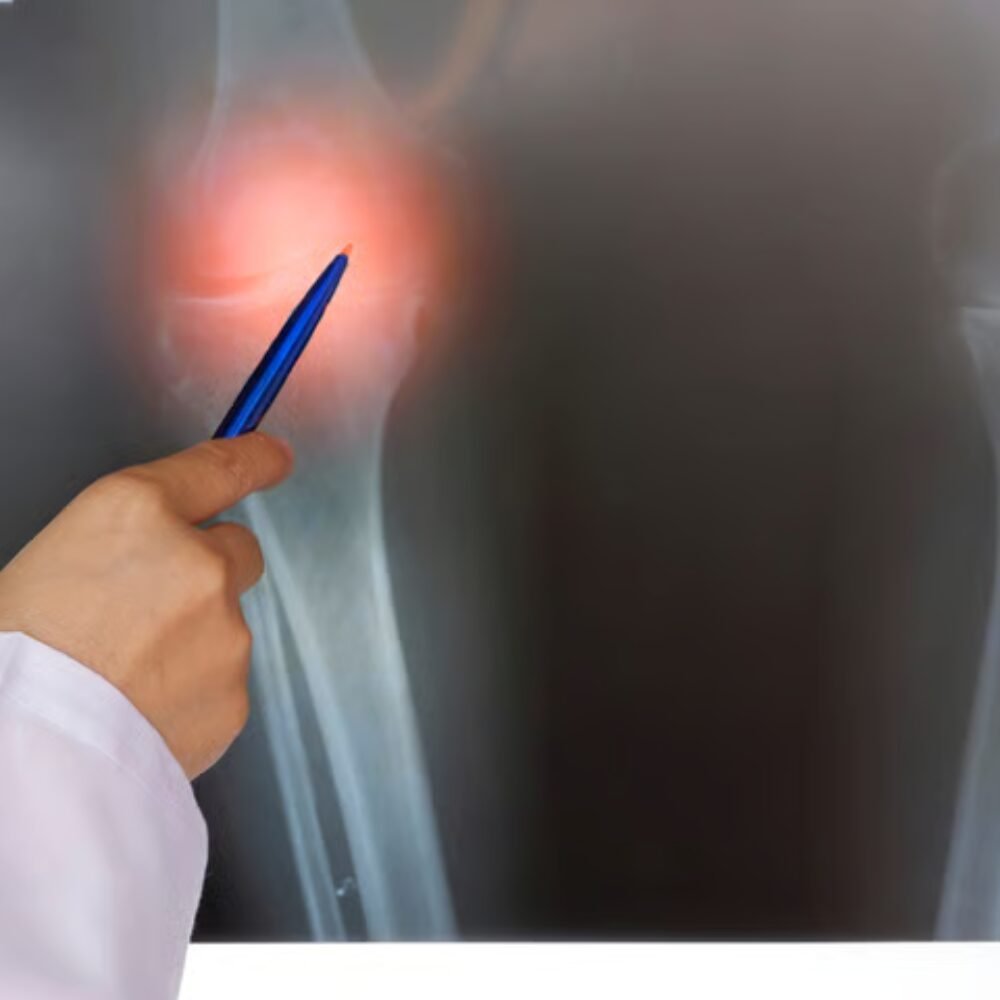
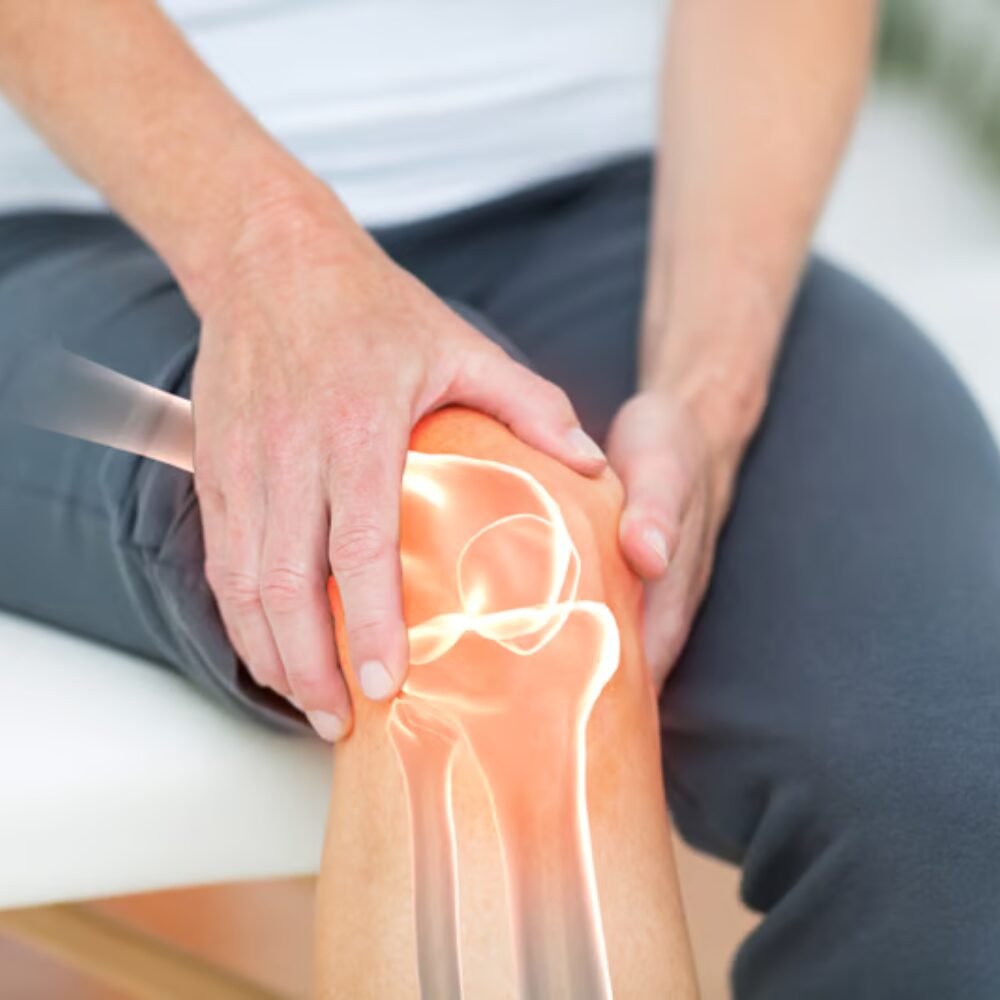
ASO titer and joint pain treatment are important medical topics, especially for people experiencing unexplained joint pain, knee pain, or leg pain after a recent throat infection. Many individuals assume this discomfort is temporary or due to overuse, but it may actually be linked to a bacterial infection that can be identified through an ASO test.
In such cases, early symptoms are often ignored, which can delay proper diagnosis and treatment. Understanding the connection between infections and joint pain is crucial for preventing further complications and ensuring timely medical care.
This comprehensive guide will help you understand everything about ASO titer and joint pain treatment, including its causes, symptoms, diagnosis, available treatment options, recovery process, and effective prevention methods.
ASO titer and joint pain treatment refers to diagnosing and managing joint pain caused by elevated ASO (Anti-Streptolysin O) levels in the blood. ASO is an antibody produced by the body in response to streptococcal bacteria, commonly responsible for throat infections.
When this infection is not treated properly, the immune system may react abnormally and start attacking the joints. This leads to inflammation, swelling, and pain.
This becomes a major joint pain reason and requires proper medical attention.
Understanding the joint pain causes linked to ASO is essential for effective treatment.
Understanding the joint pain causes linked to ASO is essential for effective treatment.
This is one of the most common causes where infection triggers joint inflammation. It often affects knees, ankles, and legs, leading to knee joint pain and leg joint pain.
This is a serious complication of untreated throat infection. It can affect multiple joints and cause severe pain, swelling, and even heart problems.
Even after the infection is gone, inflammation may remain in joints, causing long-term discomfort and stiffness.
Early detection of symptoms is key to proper ASO titer and joint pain treatment.
● Continuous joint pain
● Swelling in joints
● Warmth and redness
● Difficulty in movement
● Pain while walking or bending
● Knee joint pain during daily activities
● Leg joint pain with weakness
● Fatigue and discomfort
● Fever with joint swelling
● Pain shifting from one joint to another
● Severe stiffness
● Difficulty walking
Proper diagnosis helps identify the exact joint pain reason and ensures effective joint pain treatment.
This test confirms whether there has been a recent streptococcal infection.
These tests help measure inflammation levels in the body.
Doctors evaluate:
● Joint swelling
● Pain intensity
● Range of motion
In advanced cases:
● X-rays
● MRI
These help check joint damage or complications.
Effective aso titer and joint pain treatment involves a combination of medical and supportive therapies.
Antibiotics
Used to eliminate bacterial infection and prevent complications.
Painkillers (NSAIDs)
These reduce inflammation and provide quick joint pain relief.
Anti-inflammatory Medicines
Help reduce swelling and improve joint movement.
Steroids (in severe cases)
Used when inflammation is high and not controlled by regular medicines.
Physiotherapy is a key part of long-term joint pain treatment.
Benefits:
● Improves flexibility
● Strengthens muscles
● Reduces stiffness
● Provides long-term joint pain relief
Common Exercises:
● Stretching exercises
● Strength training
● Balance exercises
Simple lifestyle changes can reduce joint pain causes significantly.
Healthy Diet
● Include anti-inflammatory foods
● Eat protein-rich meals
Weight Management
Extra weight increases pressure on joints, especially causing knee joint pain.
Rest and Activity Balance
Avoid overuse of joints while staying active.
Hydration
Keeps joints lubricated and reduces stiffness.
For severe cases:
● Steroid injections
● Immunotherapy
● Long-term medication plans
These help manage chronic inflammation and prevent joint damage.
Along with medical treatment, home remedies can help improve symptoms:
● Ice packs reduce swelling
● Heat therapy relaxes muscles
● Turmeric milk
● Ginger tea
Improves blood circulation and reduces stiffness.
Essential for healing and recovery.
Most common due to high stress on knees.
Includes ankles and lower limb joints.
Pain shifts from one joint to another, common in rheumatic conditions.
Recovery depends on severity and treatment quality.
● 1–2 weeks: Pain and swelling decrease
● 3–6 weeks: Movement improves
● 6–12 weeks: Normal activities resume
Following physiotherapy and medication ensures faster recovery.
If ignored, it can lead to:
● Chronic arthritis
● Joint damage
● Reduced mobility
● Heart complications
Early aso titer and joint pain treatment helps prevent these issues.
Prevention focuses on reducing infection risk and maintaining joint health.
Key Tips:
● Treat throat infections early
● Maintain hygiene
● Boost immunity
● Exercise regularly
● Avoid ignoring symptoms
Seek medical help if:
● Persistent joint pain
● Severe knee joint pain
● Swelling with fever
● Difficulty in walking
ASO titer measures antibodies formed after infection. High levels can cause inflammation and joint pain.
Treatment includes antibiotics, anti-inflammatory medicines, and physiotherapy.
Yes, ASO-related inflammation often affects the knees.
Recovery may take a few weeks to months, depending on severity.
Yes, early infection treatment and a healthy lifestyle can prevent most causes of joint pain.
ASO titer and joint pain treatment is essential when joint pain is caused by infection-related inflammation. Ignoring symptoms can lead to serious complications, including chronic joint issues and systemic diseases.
With proper diagnosis, medication, physiotherapy, and lifestyle changes, you can achieve long-term joint pain relief and return to a healthy life.
Understanding the exact joint pain reason and taking early action is the best way to prevent long-term damage.

EXCELLENTTrustindex verifies that the original source of the review is Google. Very satisfied with my treatment for knee pain. Its very painful for me to walk. But I am under treatment with dr. Himanshu Gupta and now I am perfectly fine. No pain, and now I can walk properly without any pain. Dr. Himanshu Gupta is very well trained doctor I've ever seenPosted on GoogleTrustindex verifies that the original source of the review is Google. I consulted Dr Himanshu Gupta for the Mother's knee pain and I am extremely grateful for the excellent care I received. Dr. Gupta was highly professional, knowledgeable, and made me feel at ease throughout the process. The hospital staff was attentive, ensuring a smooth and comfortable experience. It had a clean and friendly environment.Posted on GoogleTrustindex verifies that the original source of the review is Google. Dr. Gupta’s diagnosis has always been spot-on, and his approach to treatment was both thorough and reassuring. He took the time to patiently explain every step of the process, answering all our questions with clarity and empathy—something that made my mother feel confident and cared for throughout her recovery. Highly recommend Dr. Himanshu Gupta to anyone looking for an experienced and genuinely caring orthopedic specialist.Posted on GoogleTrustindex verifies that the original source of the review is Google. My mother operated here for her knee replacement. I totally recommend to visit here for ortho related problems. The results are amazing Best experience ever. Very satisfied with the robotic knee surgery. Staff is very professional and helpful. Dr. Himanshu Gupta is highly skilled in Robotic surgery. And so supportive during my mother's treatmentPosted on GoogleTrustindex verifies that the original source of the review is Google. Dr. Himanshu Gupta is an amazing orthopaedic. He treated my ACL problem with great care and expertise. His professionalism, explanation of treatment, and follow-up care were top-notch. Highly recommend for anyone needing orthopaedic care. My Surgery was also went smooth and successful Hospital's Pre & Post Care was very excellent. Staff was also so helpful during my stay.Posted on GoogleTrustindex verifies that the original source of the review is Google. I have expressed high satisfaction with Dr. Himanshu Gupta's friendliness, treatment, and explanation of health issues.Posted on GoogleTrustindex verifies that the original source of the review is Google. Dr. Himashu Gupta , Amicare Hospital, Indirapuram is the one of the best Doctor of Orthopaedic and also with loveble baheviour to every patient with care treatments, All the decoram of this Hospital have very fine and reasonable to treatment. All Staff of Hospital is too cooperative with good human behaviour.Posted on GoogleTrustindex verifies that the original source of the review is Google. Dr.Himanshu Gupta is very knowledgeable Doctor . My Knee surgery was successfully .Posted on GoogleTrustindex verifies that the original source of the review is Google. Good check up and doctor checkup is technique is perfectPosted on GoogleTrustindex verifies that the original source of the review is Google. Dr. Himanshu has deep knowledge of his subject. He is very caring and explains the diagnosis and treatment to the patient. My wife was under his treatment several times and got quick relief. Amicare hospital has good facilities and gives quick service under one roof.

Dr. Himanshu Gupta is a highly trusted and skilled orthopedic specialist, known for delivering expert care and personalized treatment.
+91 9650510275
orthodrhimanshugupta@gmail.com
Plot No. 15/16 Nyay Khand- 1, Near Indirapuram Public School, Indirapuram Ghaziabad- 201014 India
Privacy Policy | Term and Conditions | Sitemap
Copyright 2025 © All Right Reserved Design
Copyright 2026 © All Right Reserved Design