
Phone No
+91 9650510275
orthodrhimanshugupta@gmail.com
Location
Plot No. 15/16 Nyay Khand- 1, Ghaziabad.
+91 9650510275
orthodrhimanshugupta@gmail.com
Plot No. 15/16 Nyay Khand- 1, Ghaziabad.
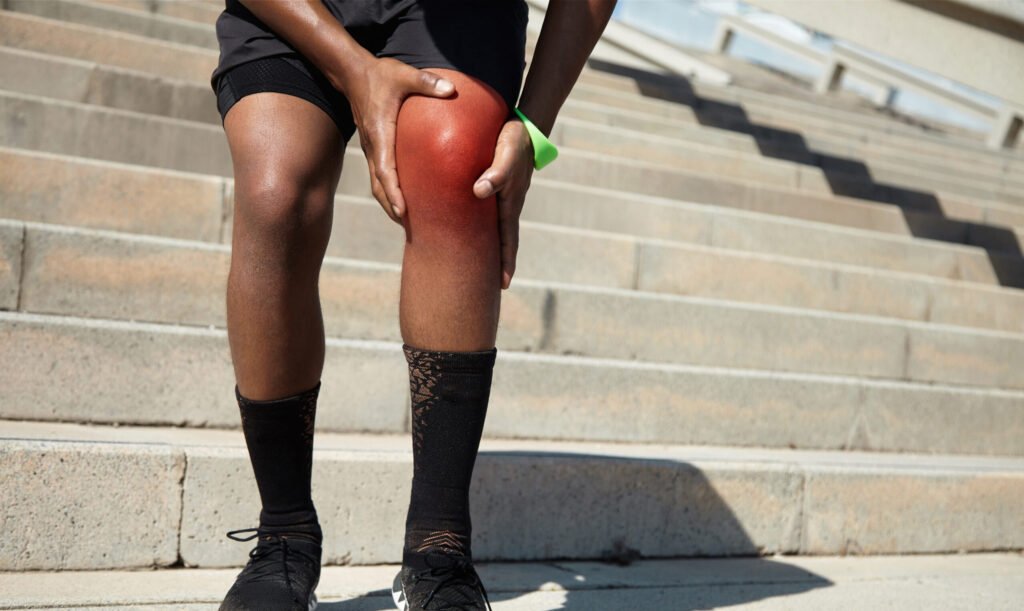
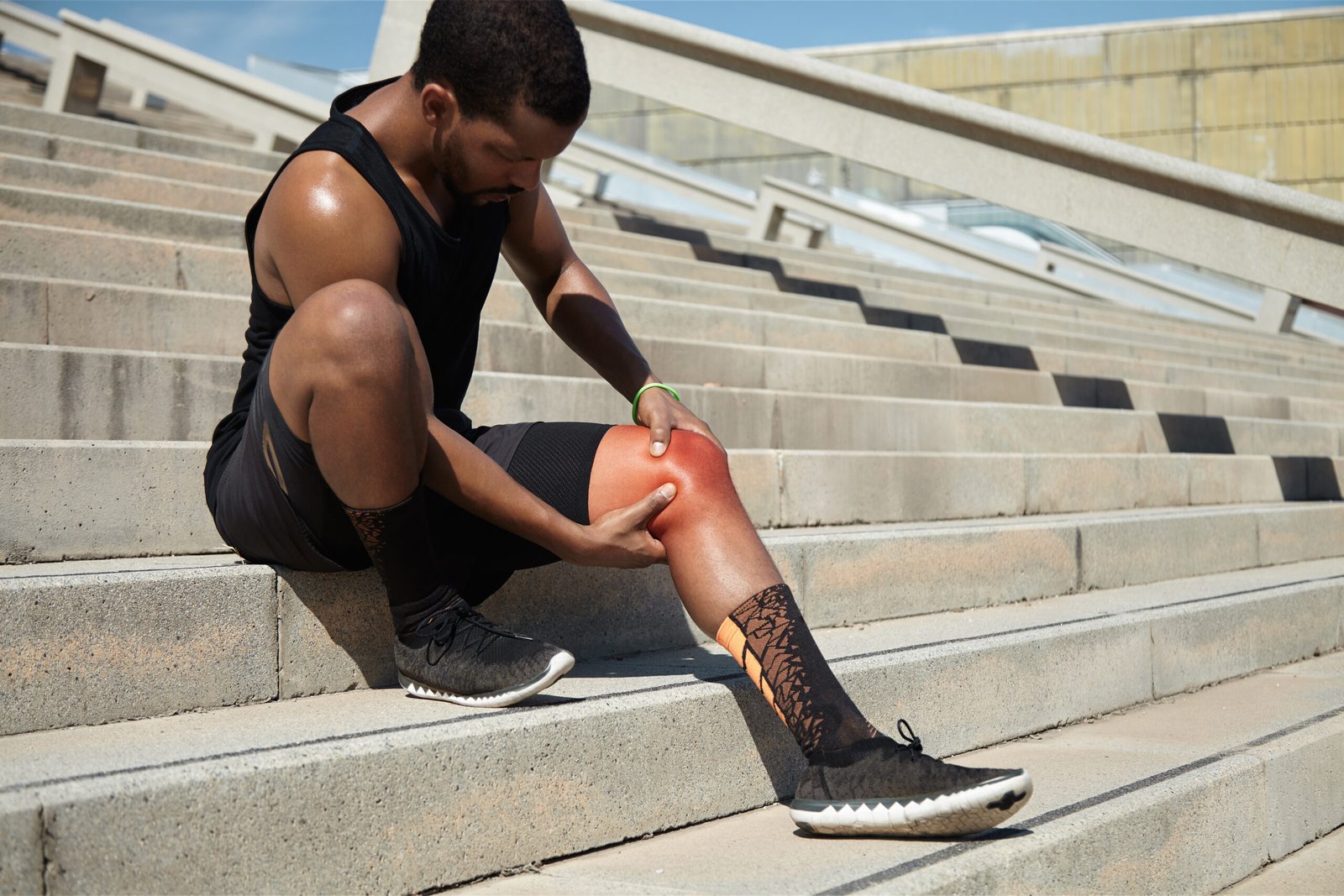
Recovering after ACL surgery requires the right approach, discipline, and consistency. Whether you’ve undergone ACL reconstruction surgery recently or are preparing for the ACL surgery procedure, understanding what to do after ACL surgery can dramatically speed up your
healing process.
In this complete guide, you’ll learn the top 10 do’s and don’ts, swelling control strategies, physiotherapy tips, when you can walk, when you can run, and the complete ACL surgery recovery timeline.
This guide follows the latest orthopaedic rehab principles and is designed for patients of all ages seeking safe, structured recovery
ACL surgery — also called ACL reconstruction surgery — is a minimally invasive procedure in which the torn Anterior Cruciate Ligament is replaced with a graft. The graft may be:
● Autograft (from your own hamstring, patellar tendon, or quadriceps)
● Allograft (from a donor)
The surgery restores knee stability so you can walk, run, climb stairs, and return to sports safely.
Recovering after ACL surgery requires the right steps from day one. These essentials do help reduce swelling, control pain, restore motion, provide stability, and prevent long-term knee issues.
After ACL surgery, RICE therapy is the fastest and safest way to reduce swelling and discomfort in the early days. It helps calm inflammation and supports smoother knee movement.
Why it matters:
It controls swelling after ACL surgery and prevents stiffness.
● Apply ice for 15–20 minutes, 3–4 times daily
● Keep your leg elevated above heart level
● Use gentle compression to limit fluid buildup
Early physiotherapy after ACL surgery (within 24–72 hours) is crucial for restoring knee motion, stability and activating key muscles. It prevents complications like stiffness and helps you walk sooner.
Why it matters:
Early rehab prevents scar tissue and speeds up recovery.
● Improves knee bending and straightening
● Reduces swelling and pain
● Activates quadriceps for stability
Getting the knee completely straight is one of the most important early goals after ACL reconstruction surgery. Locking in full extension prevents long-term gait and mobility issues.
Why it matters:
It prevents long-term stiffness and limping.
● Helps restore a natural walking pattern
● Reduces joint tightness
● Prevents chronic loss of knee extension
Walking too soon without support can strain the healing graft. Most patients walk with crutches
within 1–2 days after ACL surgery, but must reduce use gradually.
Why it matters:
It protects the graft during early healing.
● Promotes safe weight-bearing
● Reduces knee pain when walking
● Prevents overloading the joint early on
Rehab isn’t just in the hospital — home exercises are essential to rebuild strength and improve motion after ACL surgery.
Why it matters:
Consistency improves strength and prevents muscle loss.
● Boosts quadriceps activation
● Improves knee bending and extension
● Supports faster walking and stability
Proper wound care prevents infection, one of the most serious risks after ACL surgery. A clean incision helps healing and reduces complications.
Why it matters:
Prevents infection and protects healing tissue.
● Avoid moisture for 2–3 weeks
● Avoid scratching or applying creams
● Follow post-op dressing instructions carefully
Your body needs good nutrition to heal tissues and rebuild muscle after ACL reconstruction surgery. A protein-rich diet supports faster recovery.
Why it matters:
Protein helps repair ligament and muscle tissue.
● Include lean protein sources daily
● Stay hydrated to support joint recovery
● Add nuts, lentils, eggs, fish, or chicken
A knee brace helps stabilise the joint and limits unsafe movements after ACL surgery, especially during the first 4–6 weeks.
Why it matters:
Prevents unwanted knee motion and protects the graft.
● Wear it while walking
● Use it during sleep if advised
● Follow physiotherapist guidelines
Some swelling after ACL surgery is normal, but increasing swelling after 3–4 weeks can signal a problem. Monitoring helps catch issues early.
Why it matters:
Early detection prevents complications.
● Watch for redness or warmth
● Contact your doctor for sudden pain
● Track swelling patterns regularly
ACL surgery recovery takes time. Progress may feel slow, but steady work leads to excellent long-term results.
Why it matters:
Patience ensures a safe and complete recovery.
● Follow your rehab schedule
● Avoid comparing your progress
● Stay motivated through each phase
After ACL surgery, avoiding certain actions is just as important as following the do’s. These mistakes can delay the recovery process, increase swelling, or even harm the healing ligament graft.
Walking without crutches too soon puts unnecessary pressure on the healing graft and may increase knee swelling after ACL surgery. Support is essential until your surgeon or physiotherapist clears you regarding this.
How it affects you:
It strains the graft and slows early ACL surgery recovery.
● Increases the risk of graft stretching
● Can worsen swelling & pain
● Delays stable walking pattern
Early aggressive bending can irritate tissues and worsen swelling after ACL surgery. Controlled, gentle flexion is safer and helps prevent early complications.
How it affects you:
It increases inflammation and causes painful stiffness.
● May overload healing tissues
● Raises swelling and irritation
● Slows down early mobility gains
Physiotherapy after ACL surgery is very important. Missing sessions affects strength, flexibility, and overall progress.
How it affects you:
Skipping rehab directly delays ACL surgery recovery.
● Weakens quadriceps activation
● Causes joint stiffness
● Extends recovery timeline
Keeping the knee bent for long periods can worsen swelling and make it harder to regain full extension.
How it affects you:
It contributes to stiffness and swelling after ACL surgery.
● Reduces blood circulation
● Makes knee extension harder
● Leads to tightness & discomfort
High-impact movements place stress on the graft during the early healing phase.
How it affects you:
It can cause damage or graft failure.
● Increases risk of re-injury
● Delays safe strengthening
● Interrupts the healing timeline
Some soreness is expected after ACL reconstruction surgery, but sharp pain or rapid swelling is not normal and needs attention.
How it affects you:
Warning signs may go unnoticed and worsen.
● May indicate infection
● Could signal graft irritation
● Delays treatment of complications
Driving requires full leg control. Most people return to driving 4–6 weeks after ACL surgery, depending on the operated leg.
How it affects you:
Driving early reduces safety and control.
● Slower reaction times
● Increased pain while braking
● Higher accident risk
What you follow after ACL surgery has a direct impact on your healing. The first 12 weeks of ACL surgery recovery determine how fast swelling after ACL surgery reduces, how quickly you regain motion, and how well your muscles re-activate. This phase also sets the foundation for
walking normally again and preventing long-term stiffness.
Sticking to the correct do’s and don’ts after ACL surgery helps protect the new graft, improve knee stability, and reduce the risk of re-injury. By following safe movements, proper physiotherapy after ACL surgery, and avoiding harmful activities, patients experience smoother healing, less pain, and a stronger long-term outcome.
A structured recovery schedule helps you understand what to expect.
Weeks 1–2: Early Phase
● Reduce swelling
● Improve knee extension
● Begin walking with support
● Basic strengthening exercises
● Increase knee flexion
● Strengthen quadriceps
● Improve balance
● Cycling
● Leg press
● Controlled squats
● Core strengthening
● Running
● Agility training
● Sport-specific drills
● Strength test
● Functional assessments
● Return-to-sport clearance
Most patients can walk with crutches in 1–2 days after ACL surgery. Independent walking usually begins around 2–4 weeks, depending on knee stability and swelling.
Physiotherapy after ACL surgery is essential for restoring motion, reducing swelling, and rebuilding strength. Rehab usually starts within 24–72 hours.
You can usually run after ACL surgery at 12–16 weeks, but only if strength and balance have recovered enough to protect the graft.
Most patients can drive again in 4–6 weeks, depending on which leg had surgery and overall knee control.
Mild pain is normal, but sharp or increasing pain after ACL surgery isn’t. If swelling or redness increases, consult your orthopaedic doctor.
Recovering after ACL surgery requires patience, consistency, and proper guidance. Following the right do’s and don’ts, controlling swelling, attending physiotherapy, and avoiding early strain help ensure a strong and stable recovery.
Whether your goal is walking comfortably, returning to sports, or getting back to daily routines, a structured recovery plan plays the biggest role in your success.

EXCELLENTTrustindex verifies that the original source of the review is Google. Very satisfied with my treatment for knee pain. Its very painful for me to walk. But I am under treatment with dr. Himanshu Gupta and now I am perfectly fine. No pain, and now I can walk properly without any pain. Dr. Himanshu Gupta is very well trained doctor I've ever seenPosted on GoogleTrustindex verifies that the original source of the review is Google. I consulted Dr Himanshu Gupta for the Mother's knee pain and I am extremely grateful for the excellent care I received. Dr. Gupta was highly professional, knowledgeable, and made me feel at ease throughout the process. The hospital staff was attentive, ensuring a smooth and comfortable experience. It had a clean and friendly environment.Posted on GoogleTrustindex verifies that the original source of the review is Google. Dr. Gupta’s diagnosis has always been spot-on, and his approach to treatment was both thorough and reassuring. He took the time to patiently explain every step of the process, answering all our questions with clarity and empathy—something that made my mother feel confident and cared for throughout her recovery. Highly recommend Dr. Himanshu Gupta to anyone looking for an experienced and genuinely caring orthopedic specialist.Posted on GoogleTrustindex verifies that the original source of the review is Google. My mother operated here for her knee replacement. I totally recommend to visit here for ortho related problems. The results are amazing Best experience ever. Very satisfied with the robotic knee surgery. Staff is very professional and helpful. Dr. Himanshu Gupta is highly skilled in Robotic surgery. And so supportive during my mother's treatmentPosted on GoogleTrustindex verifies that the original source of the review is Google. Dr. Himanshu Gupta is an amazing orthopaedic. He treated my ACL problem with great care and expertise. His professionalism, explanation of treatment, and follow-up care were top-notch. Highly recommend for anyone needing orthopaedic care. My Surgery was also went smooth and successful Hospital's Pre & Post Care was very excellent. Staff was also so helpful during my stay.Posted on GoogleTrustindex verifies that the original source of the review is Google. I have expressed high satisfaction with Dr. Himanshu Gupta's friendliness, treatment, and explanation of health issues.Posted on GoogleTrustindex verifies that the original source of the review is Google. Dr. Himashu Gupta , Amicare Hospital, Indirapuram is the one of the best Doctor of Orthopaedic and also with loveble baheviour to every patient with care treatments, All the decoram of this Hospital have very fine and reasonable to treatment. All Staff of Hospital is too cooperative with good human behaviour.Posted on GoogleTrustindex verifies that the original source of the review is Google. Dr.Himanshu Gupta is very knowledgeable Doctor . My Knee surgery was successfully .Posted on GoogleTrustindex verifies that the original source of the review is Google. Good check up and doctor checkup is technique is perfectPosted on GoogleTrustindex verifies that the original source of the review is Google. Dr. Himanshu has deep knowledge of his subject. He is very caring and explains the diagnosis and treatment to the patient. My wife was under his treatment several times and got quick relief. Amicare hospital has good facilities and gives quick service under one roof.

Dr. Himanshu Gupta is a highly trusted and skilled orthopedic specialist, known for delivering expert care and personalized treatment.
+91 9650510275
orthodrhimanshugupta@gmail.com
Plot No. 15/16 Nyay Khand- 1, Near Indirapuram Public School, Indirapuram Ghaziabad- 201014 India
Privacy Policy | Term and Conditions | Sitemap
Copyright 2025 © All Right Reserved Design
Copyright 2026 © All Right Reserved Design